

Nasturtium Tincture 100 ml – Organic
24,00 €
(incl. VAT)
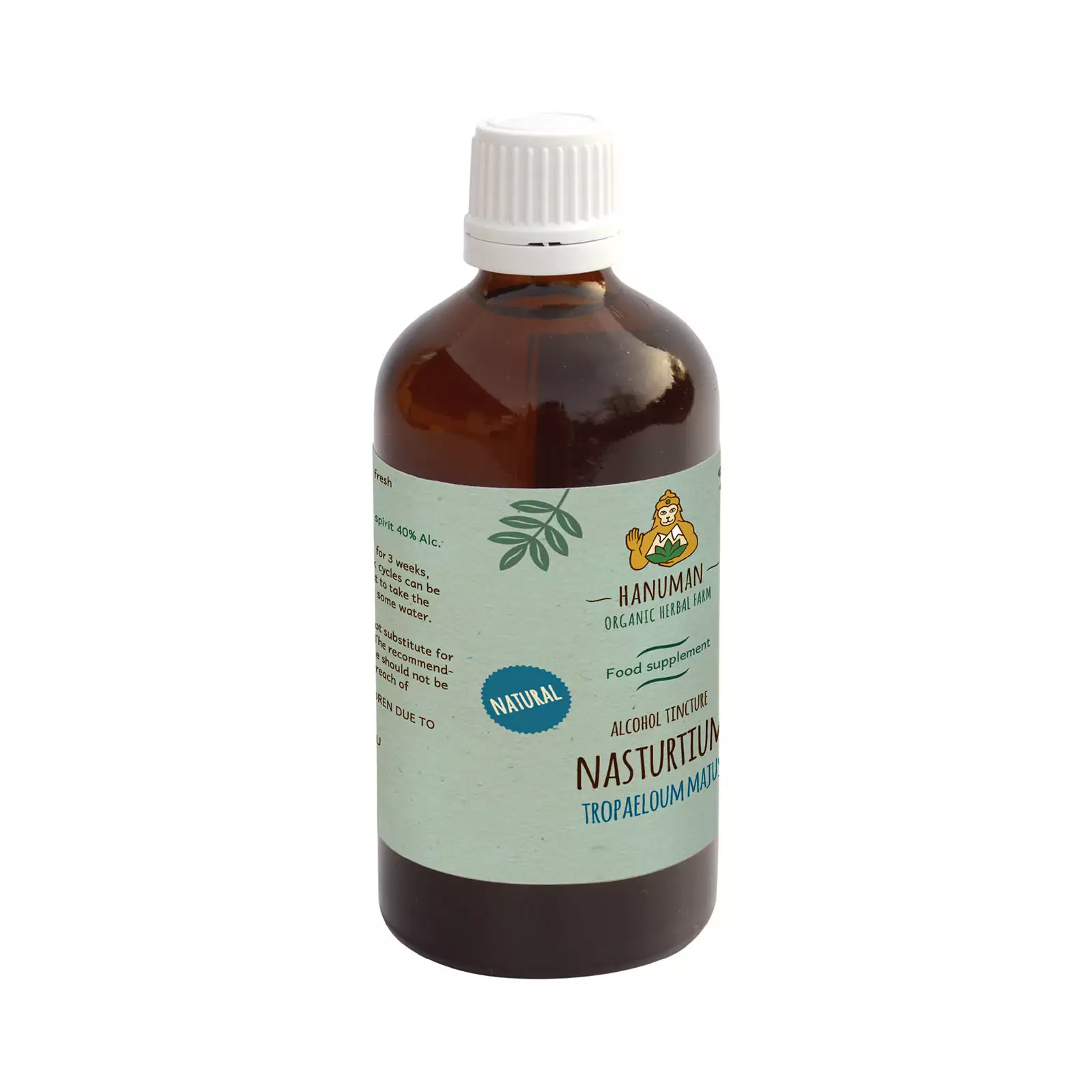
Nasturtium Tincture (Tropaeolum majus) is an organic food supplement made from fresh leaves and flowers using the traditional cold maceration method. Nasturtium is traditionally used during periods when we wish to support the body's natural defences and overall balance.
Nasturtium Tincture Ingredients:
- nasturtium leaves and flowers (Tropaeolum majus, folium et flos)
- fruit brandy
Description
Usage
About the herb
Combinations
FAQ
Nasturtium Tincture (Tropaeolum majus) is a natural food supplement made from fresh nasturtium leaves and flowers using the traditional cold maceration method. This process helps preserve a broad spectrum of naturally occurring plant compounds found in the fresh plant.
The carefully adjusted alcohol content allows for effective extraction of various plant compounds while contributing to the tincture’s stability and shelf life. This preparation combines traditional herbal knowledge with a carefully selected extraction method.
Our nasturtium is organically grown on our herbal farm in Slovenia, where the plants grow in harmony with natural rhythms. We harvest the leaves and flowers by hand at the optimal time and process them promptly to preserve their freshness and quality.
Nasturtium Tincture Ingredients:
- nasturtium leaves and flowers (Tropaeolum majus, folium et flos), Slovenian origin, organic
- fruit brandy, 40% alcohol by volume, Slovenian origin, organic
Nasturtium Concentration:
- extraction ratio 1:5
- 40% alcohol by volume
Packaging:
- 100 ml
- dark glass bottle with dropper
Nasturtium Tincture Quality:
- 100% natural ingredients
- certified organic (IKC UM, SI EKO 002)
- free from pesticides and artificial colourings
Recommended Use of Nasturtium Tincture:
- 25–30 drops
- up to 3 times daily
- you can start with a lower dose and gradually increase it to 25 drops
- recommended use for 3 weeks, followed by a break of at least 1 week or switching to another tincture
- for extended use, including up to 2 consecutive months, consult a healthcare professional beforehand; take a break afterwards
How to Take Nasturtium Tincture:
- add the drops to a glass of water or take them on a spoon
- preferably take on an empty stomach (before a meal or at least 1 hour after eating); there is no need to eat immediately afterwards
Tips for Use:
- nasturtium is an aromatic plant with a distinctive, slightly peppery flavour
- one bottle usually lasts approximately 3 weeks with regular use
- one bottle is generally sufficient for a 3-week course, while longer periods may require 2–3 bottles
- the tincture can be incorporated into your routine at different times of the year, particularly when you wish to support the body’s natural balance
Precautions:
- food supplements should not be used as a substitute for a varied and balanced diet
- do not exceed the recommended daily dose
- keep out of reach of children
- not suitable for children due to its alcohol content
- use is not recommended during pregnancy or breastfeeding
- do not use if you have gastrointestinal ulcers or kidney disease without medical advice
- consult a healthcare professional before use if you are taking medication
- discontinue use if you experience digestive irritation or other adverse reactions
Nasturtium (Tropaeolum majus)
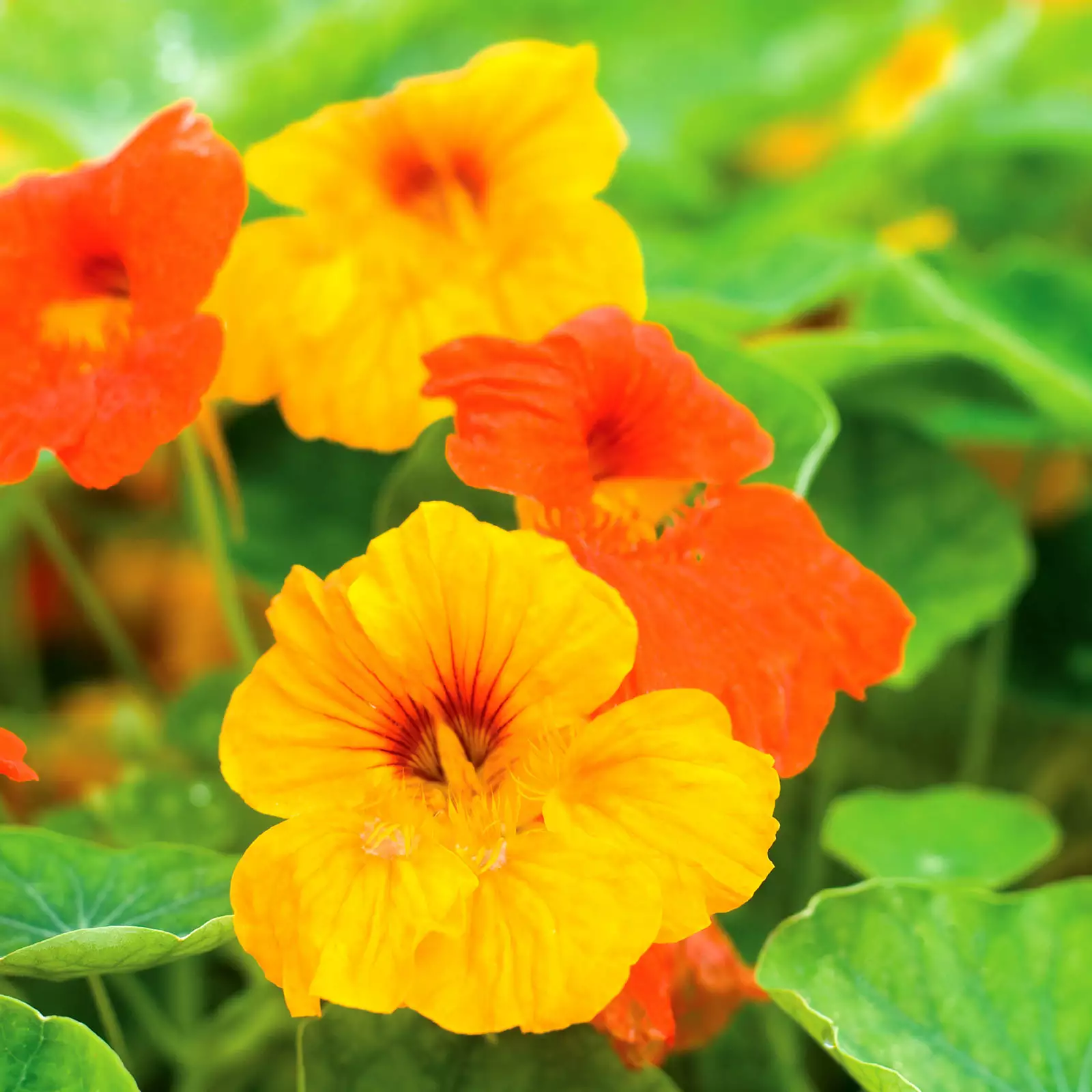
Nasturtium is a sprawling annual plant with distinctive round leaves and vibrant flowers in warm colours, commonly found in gardens. Its leaves and flowers have a pleasant, slightly peppery flavour reminiscent of radishes.
It belongs to the nasturtium family (Tropaeolaceae), known for its colourful and aromatic plants.
In herbalism, we primarily use the above-ground parts of the plant – fresh leaves and flowers (folium et flos), which are processed immediately after harvesting.
Nasturtium is also valued as an edible ornamental plant. Its colourful flowers brighten up salads, while its leaves add a distinctive flavour to various dishes. It is often grown as a companion plant in gardens, contributing to a balanced garden ecosystem.
Traditionally, nasturtium is used in herbal preparations at different times of the year, as part of a holistic approach to well-being and incorporating the richness of natural plant compounds into everyday life.
Under European Union regulations, there are currently no authorised health claims for nasturtium. Therefore, we cannot make specific health claims about its effects.
Nasturtium Tincture + Echinacea Tincture
- both tinctures taken orally
- nasturtium is traditionally used during periods when support for the body’s natural defences is desired, while echinacea complements the herbal routine during such times
Nasturtium Tincture + Reishi Tincture
- both tinctures taken orally
- nasturtium can be incorporated into daily herbal routines, while reishi is traditionally used during periods of increased physical and mental demands
Nasturtium Tincture + Thyme Tincture
- both tinctures taken orally
- nasturtium and thyme have a long history of traditional herbal use during the colder months of the year
Is Nasturtium Suitable for People with Autoimmune Diseases?
Nasturtium is generally considered well tolerated when used in ordinary amounts. However, people with autoimmune conditions should exercise particular caution when choosing herbal supplements. As there is insufficient research on the safety of nasturtium in such conditions, we recommend consulting a doctor or qualified healthcare professional before use.
What Is the Difference Between Nasturtium and Echinacea?
Nasturtium is traditionally incorporated into everyday herbal routines, while echinacea is more commonly used for shorter periods when additional herbal support is desired.
Can Nasturtium Be Used Occasionally, as Needed?
Yes, nasturtium can also be incorporated into your routine occasionally, depending on your needs and how you feel. It is often used in shorter cycles or during periods when additional herbal support is desired.
Can Nasturtium Be Used Throughout the Year?
Nasturtium can be incorporated into herbal routines throughout the year, although it is particularly popular during the colder months.