

Ginkgo Tincture 100 ml – Organic
24,00 €
(incl. VAT)
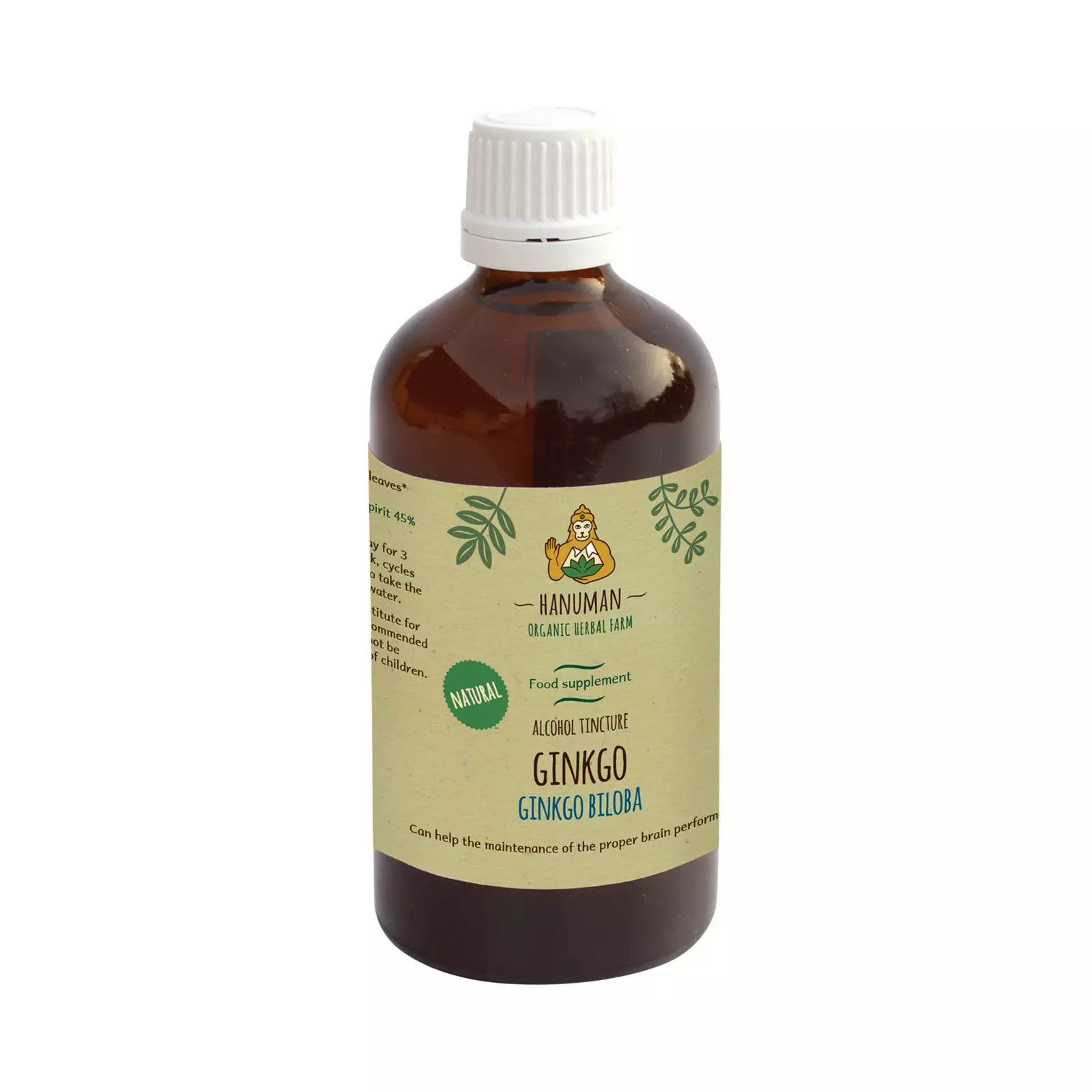
Ginkgo Tincture (Ginkgo biloba) is an organic food supplement made from fresh leaves using the traditional cold maceration method.
Rooted in a long tradition of herbalism, it is a natural companion during periods of everyday mental demands and the fast pace of modern life.
Ginkgo Tincture Ingredients:
- ginkgo leaves (Ginkgo biloba, folium), Slovenian origin, organic
- fruit brandy, 40% alcohol by volume, Slovenian origin, organic
Description
Usage
About the herb
Combinations
FAQ
Ginkgo Tincture (Ginkgo biloba) is a liquid extract made from ginkgo leaves (folium) using the traditional cold maceration method. This process helps preserve a broad spectrum of naturally occurring plant compounds within the plant’s natural matrix.
The alcohol content is carefully adjusted to ensure effective extraction of different groups of compounds from the plant material. This preparation method provides stability and a long shelf life while preserving the tincture’s natural balance.
Our ginkgo leaves come from Slovenia and are ethically harvested in the wider area surrounding our herbal farm. The plants are carefully selected, hand-picked and processed with attention to quality and respect for nature.
Ginkgo Tincture Ingredients:
- ginkgo leaves (Ginkgo biloba, folium), Slovenian origin, organic
- fruit brandy, 40% alcohol by volume, Slovenian origin, organic
Ginkgo Leaf Concentration:
- extraction ratio 1:5
- 40% alcohol by volume
Packaging:
- 100 ml
- dark glass bottle with dropper
Ginkgo Tincture Quality:
- 100% natural ingredients
- certified organic (IKC UM, SI EKO 002)
- free from pesticides and artificial colourings
Recommended Use of Ginkgo Tincture:
- 10–15 drops
- up to 3 times daily
- it is recommended to start with a lower dose and gradually increase it to 15 drops
- recommended use for 3 weeks, followed by a break of at least 1 week
How to Take Ginkgo Tincture:
- add the drops to a glass of water or take them on a spoon
- preferably take on an empty stomach (before a meal or at least 1 hour after eating) for better absorption; there is no need to eat immediately afterwards
Tips for Use:
- due to the plant’s natural composition, it is advisable to start with a lower dose and observe your body’s response
- one bottle (100 ml) lasts approximately 4–5 weeks with regular use
- we recommend taking the tincture diluted in water at regular intervals throughout the day
Precautions When Taking Ginkgo Tincture:
- food supplements should not be used as a substitute for a varied and balanced diet
- do not exceed the recommended daily dose
- keep out of reach of children
- not suitable for children due to its alcohol content
- ginkgo may affect blood clotting; caution is required when taking anticoagulant medication
- use is not recommended before surgery
- due to limited safety data, use is not recommended during pregnancy or breastfeeding, or for anyone under 18 years of age
- consult a doctor or qualified healthcare professional before use if you have any medical conditions or are taking medication
Ginkgo (Ginkgo biloba)
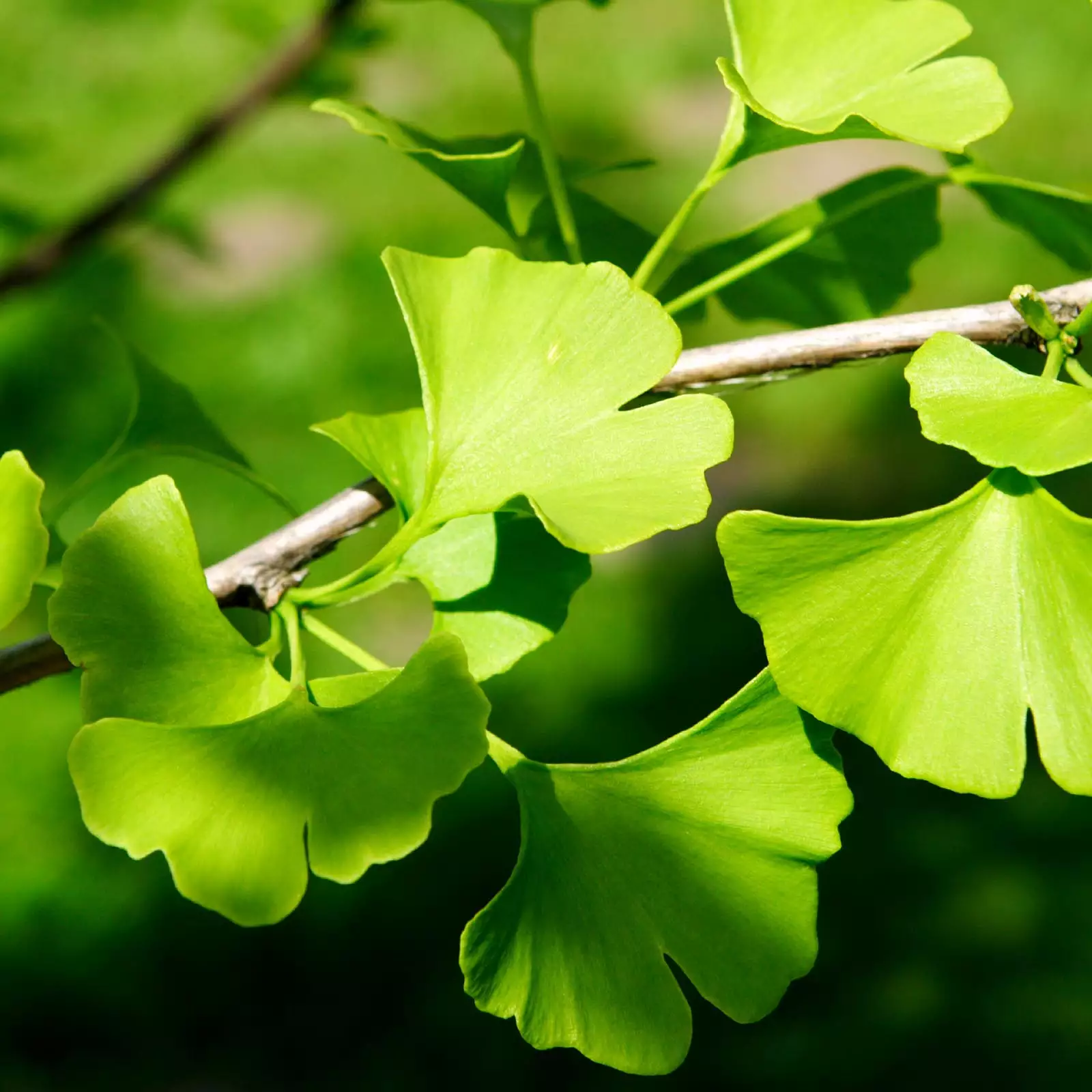
Ginkgo is an ancient tree with distinctive fan-shaped leaves that turn beautiful shades of golden yellow in autumn. Its unique appearance, remarkable longevity and striking presence have long attracted interest in both botany and traditional herbalism.
It belongs to the Ginkgoaceae family and is the only surviving representative of its ancient botanical lineage. Because of this remarkable characteristic, it is often described as a living fossil of the plant kingdom.
For our tincture, we use ginkgo leaves (Ginkgo biloba, folium). The leaves are usually harvested when they are fully developed, allowing us to capture their characteristic plant compounds in a carefully prepared extract.
One of the most fascinating facts about ginkgo is its extraordinary evolutionary history, as its lineage has existed on Earth for millions of years. The tree is also highly valued as an ornamental species, combining strength and elegance with its unmistakable leaf shape, rarely seen in other trees.
In traditional herbal practice, ginkgo leaves have been used during periods of increased mental activity, in later stages of life and during the everyday demands of modern living. Ginkgo is often associated with maintaining alertness, mental clarity and overall well-being.
In herbal tradition, ginkgo is also associated with vitality and the body’s natural rhythms, particularly during periods when gentle, consistent and long-term support is valued. Its use is rooted in a long history of observing plants and living in harmony with trees whose presence evokes a sense of stability, endurance and quiet strength.
Ginkgo Tincture + Rosemary Tincture
- both tinctures taken orally
- rosemary is traditionally used during periods of mental activity, while ginkgo complements holistic support in everyday life
Ginkgo Tincture + Rhodiola Tincture
- both tinctures taken orally
- rhodiola is traditionally used during periods of increased demands, while ginkgo complements the combination by supporting mental clarity and inner balance
Ginkgo Tincture + Reishi Tincture
- both tinctures taken orally
- reishi is traditionally associated with inner balance and stability, while ginkgo complements daily routines focused on mental clarity and well-being
Is Ginkgo Safe to Use?
Ginkgo leaves have a long history of traditional herbal use and are generally well tolerated in appropriate amounts. However, the plant also naturally contains certain compounds, such as ginkgolic acids, which may cause irritation at higher concentrations. It is therefore important to use the appropriate part of the plant and follow the recommended dosage.
When using ginkgo leaf tincture, it is important to follow the dosage instructions and exercise caution if you are taking blood-thinning medication. If you have any medical conditions or particular sensitivities, we recommend consulting a healthcare professional.
Can Ginkgo Tincture Be Used Continuously Throughout the Year?
A cyclical approach is recommended when using ginkgo. Periods of use should alternate with breaks, helping to maintain a balanced approach to the plant and making it easier to observe how your body responds.