

Bilberry Leaf Tincture 100 ml – Organic
24,00 €
(incl. VAT)
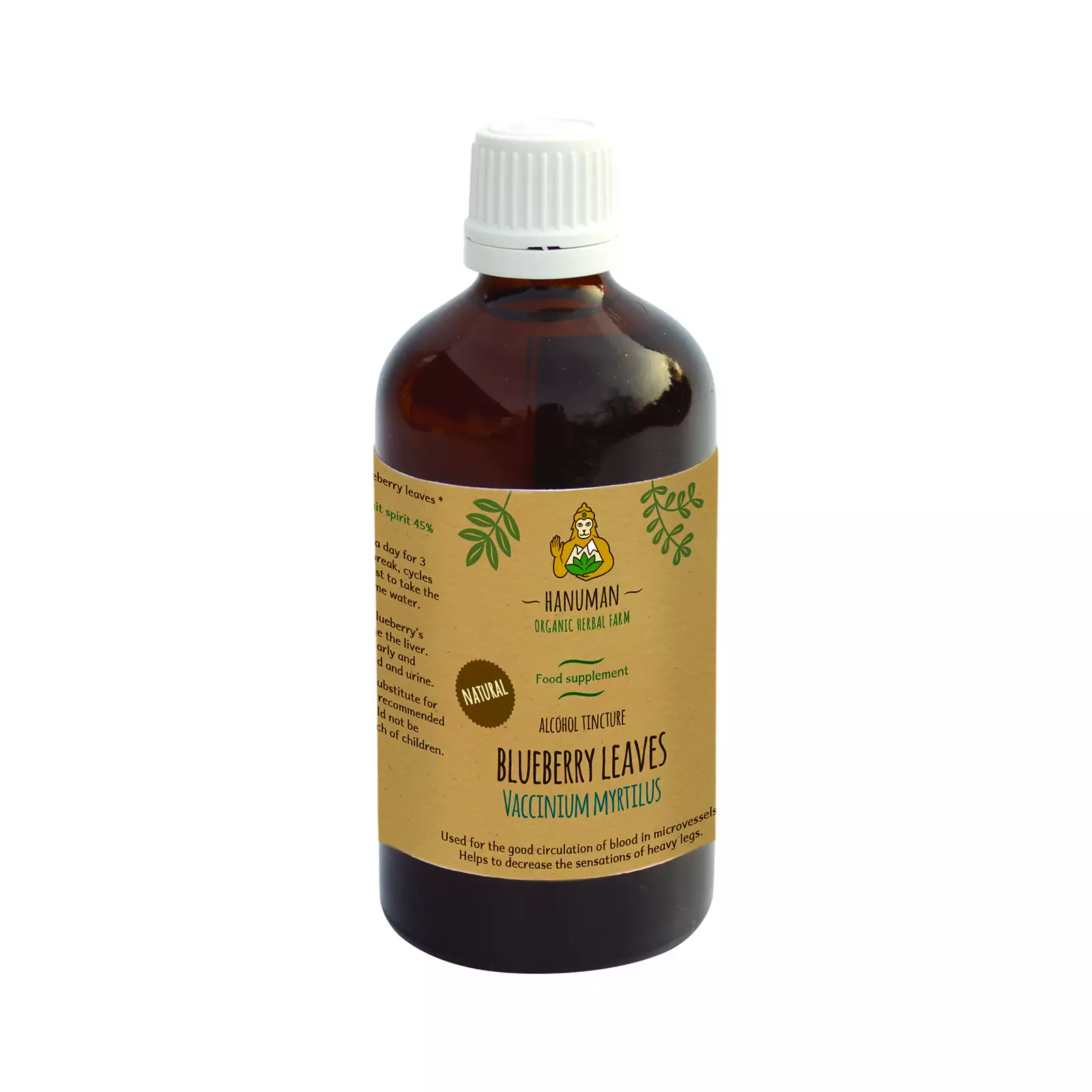
Bilberry leaf tincture (Vaccinium myrtillus) is an organic food supplement made from bilberry leaves using the traditional cold maceration method.
Made from Slovenian bilberry leaves harvested while the berries are still green, traditionally used to support metabolic balance, particularly in relation to blood sugar.
Ingredients of Bilberry leaf tincture:
- Bilberry leaves (Vaccinium myrtillus, folium)
- Natural fruit brandy
Description
Usage
About the herb
Combinations
FAQ
Bilberry leaf tincture (Vaccinium myrtillus) is a natural herbal preparation made from bilberry leaves using the traditional cold maceration method. This process preserves a broad spectrum of naturally occurring compounds, which are gradually extracted from the plant material.
The alcohol content is carefully adjusted to the properties of bilberry leaves. A lower alcohol concentration allows for effective extraction of water-soluble compounds, such as polyphenols and flavonoids, while ensuring the stability of the preparation.
Our bilberry leaves are harvested in Slovenia while the berries are still green, when the plant is at its peak vitality. We use ethically harvested herbs, carefully hand-picked and processed to preserve their natural quality.
Ingredients of Bilberry leaf tincture:
- Bilberry leaves (Vaccinium myrtillus, folium)
- Natural fruit brandy (organic, of Slovenian origin, 30% alcohol by volume)
Extraction ratio:
- 1:7 extraction ratio
- 30% alcohol by volume
Packaging:
- 100 ml
- Dark glass bottle with dropper
Quality of Bilberry leaf tincture:
- 100% natural ingredients
- Certified organic (IKC UM, SI-EKO-002)
- Free from pesticides and artificial colours
Recommended use of Bilberry leaf tincture:
- 20–25 drops
- Up to 3 times daily
- You may start with a lower dose and gradually increase it to 25 drops
- Recommended use for 3 weeks, followed by a break of at least 1 week
How to take Bilberry leaf tincture:
- Add the tincture to a glass of water or take it from a spoon, followed by some water
- Preferably take on an empty stomach (before a meal or at least 1 hour after eating) for better absorption. There is no need to eat immediately afterwards.
Tips for use:
- Bilberry leaves are traditionally used in short, limited cycles
- One 100 ml bottle lasts approximately 3 weeks with regular use
- We recommend listening to your body and adjusting the dose if necessary
Precautions:
- Food supplements should not be used as a substitute for a varied and balanced diet
- Do not exceed the recommended daily dose
- Keep out of reach of children
- Not suitable for children due to its alcohol content
- Bilberry leaf preparations are not intended for long-term continuous use
- If you have any medical conditions or are taking medication, consult a healthcare professional before use
Bilberry (Vaccinium myrtillus)
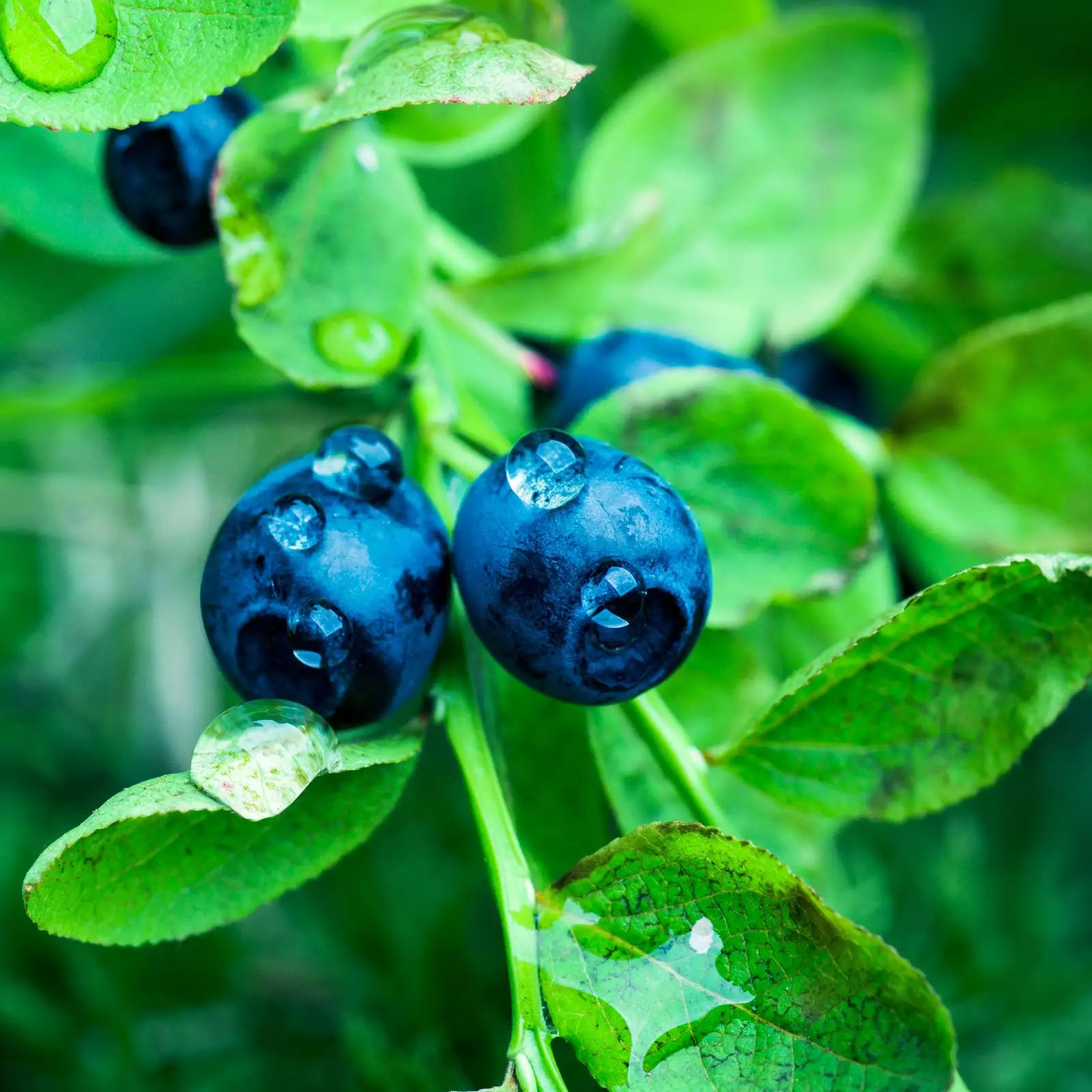
Bilberry is a low-growing woodland shrub with small, light green leaves and dark blue berries that ripen during the summer months. It grows in acidic forest soils, where shade, moisture and the tranquillity of nature come together. Its presence is gentle yet full of life – often associated with the natural rhythm of the forest, simplicity and harmony.
It belongs to the Ericaceae family. The leaves (Vaccinium myrtillus folium) are used to prepare the tincture. They contain various naturally occurring plant compounds, including polyphenols, flavonoids and tannins characteristic of this plant.
Bilberry has long been part of traditional herbal knowledge and woodland diets. Its berries have been valued as a seasonal food, while its leaves have found their place in herbal preparations. The leaves are harvested at a particular stage of growth, often before the berries are fully ripe, when the plant is in a period of active growth.
Traditionally, bilberry leaves have been used during periods when we wish to support the body’s balanced response to everyday demands. They are often included in herbal approaches aimed at supporting metabolic balance and the body’s natural processes.
Bilberry leaves have also been traditionally associated with maintaining balance after meals and supporting the body’s internal harmony. They are often included in herbal routines intended to encourage a more balanced and steady natural rhythm.
Their traditional effects are generally described as gradual and gentle, which is why bilberry leaf preparations are typically used in limited cycles with regular breaks.
Bilberry leaf tincture + Olive leaf tincture
- Both tinctures for internal use
- Both plants are traditionally associated with supporting the body’s natural balance. Bilberry leaves are traditionally used for metabolic balance, while olive leaves complement this approach by supporting general vitality and well-being.
Bilberry leaf tincture + Sugar balance tincture
- Both tinctures for internal use
- Two herbal tinctures that complement each other. They can be used together as part of a daily routine focused on maintaining balance and well-being.
Bilberry leaf tincture + Dandelion tincture + Milk thistle tincture
- All three tinctures for internal use
- Bilberry leaves are traditionally used to support metabolic balance, while dandelion and milk thistle complement this herbal approach by supporting digestion and liver function, both of which play an important role in metabolic processes.
Why are bilberry leaves harvested while the berries are still green?
Bilberry leaves are traditionally harvested while the berries are still green, as the plant is at a particular stage of growth when its leaves are full of vitality. During this period, they contain a variety of naturally occurring plant compounds that we aim to preserve in our herbal preparations.
Later, as the plant directs its energy towards ripening its berries, the composition of the leaves gradually changes. This is why earlier harvesting remains an established practice in traditional herbalism.
Can bilberry leaves be used in the same way as the berries?
Not quite. Although they come from the same plant, bilberry leaves and berries have traditionally been used in different ways. The berries are enjoyed as part of the everyday diet, while the leaves are more commonly used in herbal preparations for short, limited periods.
Why do bilberry leaves have a slightly astringent taste?
Bilberry leaves contain naturally occurring tannins, which give them their characteristic slightly astringent taste and a tightening sensation in the mouth. This taste is typical of many woodland plants and is part of their natural composition.
Tannins have an astringent effect, meaning they can cause a mild tightening sensation in the mucous membranes of the digestive tract. In moderate amounts, this is generally well tolerated, but larger quantities or prolonged use may contribute to slower digestion or constipation.
For this reason, bilberry leaves are traditionally used with care – in limited cycles with regular breaks, while paying attention to how the body responds.