

Dandelion Tincture 100 ml – Organic
24,00 €
(incl. VAT)
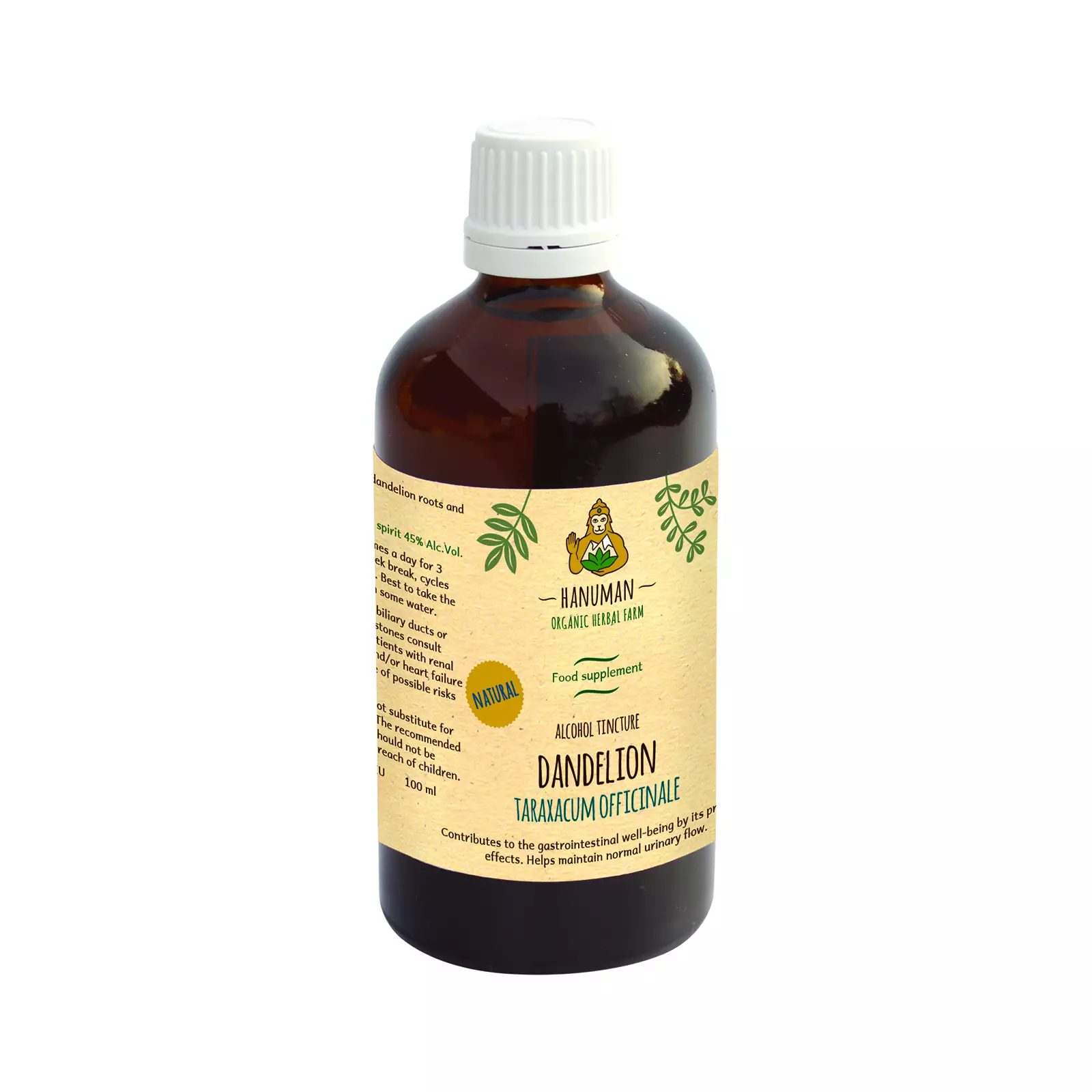
Dandelion Tincture (Taraxacum officinale) is a natural food supplement made from fresh roots and leaves using the traditional cold maceration method. The plants are organically grown in Slovenia. Traditionally used to support digestion, urinary function and a sense of inner balance.
Ingredients of the Dandelion Tincture:
- dandelion root and leaf (Taraxacum officinale, radix et folium)
- fruit spirit, 40% vol. alcohol (organic, Slovenian origin)
Description
Usage
About the herb
Combinations
FAQ
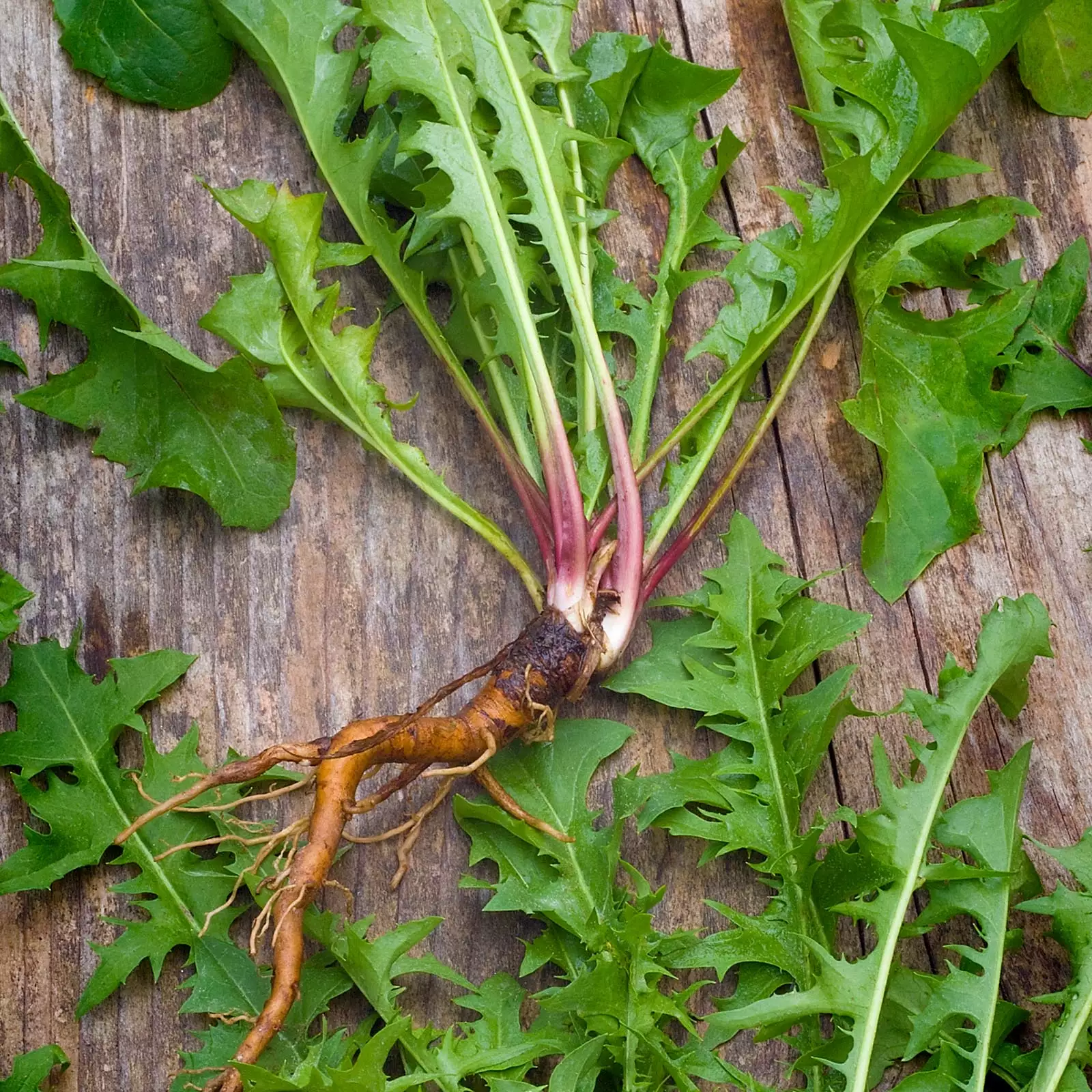
Dandelion Tincture is a liquid herbal preparation made from fresh dandelion roots and leaves (Taraxacum officinale, radix et folium), prepared using the traditional cold maceration method. This method helps preserve a broad spectrum of naturally occurring plant compounds that give the tincture its rich character.
The alcohol content is carefully selected for the plant, allowing effective extraction of different groups of compounds – both those that are soluble in water and those that are better extracted in alcohol. The result is a balanced and rich herbal extract.
We grow the dandelion used in our tincture on our farm or ethically gather it from clean, unspoilt natural habitats in Slovenia. The plants are organically grown or carefully selected from their natural environment, harvested by hand and processed with respect for the plant and its natural rhythm.
Ingredients of the Dandelion Tincture:
- dandelion root and leaf (Taraxacum officinale, radix et folium)
- fruit spirit, 40% vol. alcohol (organic, Slovenian origin)
Concentration of Dandelion:
- extraction ratio 1:3, 40% vol. alcohol
Packaging:
- 100 ml
- dark glass bottle with dropper
Quality of the Dandelion Tincture:
- 100% natural ingredients
- certified organic (IKC UM, SI-EKO-002)
- free from pesticides, artificial colours and other additives
Recommended use of the Dandelion Tincture:
- 25–30 drops
- up to 3 times daily
- you can start with a smaller amount and gradually increase to 25–30 drops
- recommended for 3 weeks, followed by a break of at least 1 week
- during more intensive periods, the tincture may be taken continuously for up to 2 months, followed by a break
How to take the Dandelion Tincture:
- add to a glass of water or take from a spoon followed by some water
- preferably take on an empty stomach (before a meal or at least 1 hour after eating), as this allows for better absorption; there is no need to eat immediately afterwards
Tips for use:
- for one course (3–6 weeks), you will usually need 1–2 bottles
- the taste is distinctly bitter – you can soften it by diluting the tincture in more water
Warnings:
- food supplements should not be used as a substitute for a varied and balanced diet and a healthy lifestyle
- do not exceed the recommended daily dose
- keep out of reach of children
- not suitable for children due to its alcohol content
- use is not recommended in cases of bile duct or intestinal obstruction
- if you have gallstones, consult your doctor before use
- people with kidney failure, heart failure or conditions requiring careful management of potassium levels should consult their doctor before use
Dandelion (Taraxacum officinale)
Dandelion is one of those plants we all recognise, yet often overlook. Every spring, it greets us with its sunny yellow flowers and distinctive toothed leaves, growing boldly almost everywhere. It carries the simplicity of a meadow and, at the same time, a remarkable inner strength. In herbalism, dandelion has long been associated with movement, flow and that sense of the body gradually “getting back on its feet” after winter.
It belongs to the Asteraceae family. In herbalism, we mainly use the root and leaf – radix et folium. The root has a deeper, more earthy character, while the leaves bring a lighter, greener quality. It is this combination that makes dandelion so distinctive, bringing together two different aspects within a single plant.
Dandelion has always been part of everyday life. Our ancestors gathered its leaves for salads, prepared drinks from the roots and used the flowers in various traditional homemade preparations. Its bitter taste, which we often shy away from today, was once highly valued – as something that awakens, stimulates and helps restore a sense of balance after heavier periods. Dandelion was therefore more than simply a herb; it was part of the natural rhythm of spring.
Traditionally, dandelion is used during periods when gentle herbal support for digestion and a sense of lightness after meals are desired. It is also commonly associated with the natural flow of the urinary system and with a sense of helping the body “move forward”. Its bitterness has a character all of its own – not harsh, but stimulating, like a quiet reminder of the body’s natural rhythm and balance.
There is also a beautiful, almost childlike tradition associated with dandelions – blowing on their white seed heads and making a wish. Each tiny seed carried into the air is said to take a wish with it. Perhaps that is why dandelion has something so light and playful about it, despite growing from such firmly rooted ground. It is a plant that reminds us that lightness and strength can be part of the same story.
Dandelion Tincture + Milk Thistle Seeds
- tincture for internal use, seeds as part of the diet
- traditionally, dandelion and milk thistle complement each other well during periods when a greater sense of lightness and balance is desired; dandelion, with its natural bitterness, brings a sense of flow, while the more grounding character of milk thistle adds a sense of inner support
Dandelion Tincture + Parasite Tincture
- both tinctures for internal use
- a combination that brings together bitterness and broader herbal support; dandelion contributes a sense of movement and flow, while the carefully selected herbs in Parasite Tincture complement the combination during periods when you wish to give your body a little extra attention
Dandelion Tincture + Liver Support Tincture
- both tinctures for internal use
- dandelion is traditionally valued for supporting digestion and natural elimination, while Liver Support combines carefully selected herbs traditionally used to support liver function and inner balance; together they offer complementary herbal support during periods when a lighter digestive rhythm and overall metabolic balance are desired
Can I take Dandelion Tincture together with medication?
Dandelion is traditionally used as part of everyday herbal routines, but some caution is always advisable when taking it alongside medication. As dandelion is associated with digestive processes and the natural function of the urinary system, particular care may be appropriate with medicines that affect these areas.
If you regularly take medication or have a chronic medical condition, consult your doctor or pharmacist before use. Particular caution is also advisable in conditions where maintaining the balance of fluids or minerals in the body is important.
What is the difference between dandelion tea and tincture?
Dandelion tea and tincture are two different preparations of the same plant. Tea is a gentler preparation made with hot water, so it primarily extracts water-soluble plant compounds and is well suited to slow, everyday drinking.
A tincture is a more concentrated herbal preparation in which the plant is extracted in a mixture of alcohol and water. This allows a broader spectrum of plant compounds to be extracted, so only a small amount is needed. Tincture is convenient, ready to use and a practical choice when you prefer a more concentrated herbal preparation.