

Cordyceps Tincture 50 ml – Organic
32,00 €
(incl. VAT)
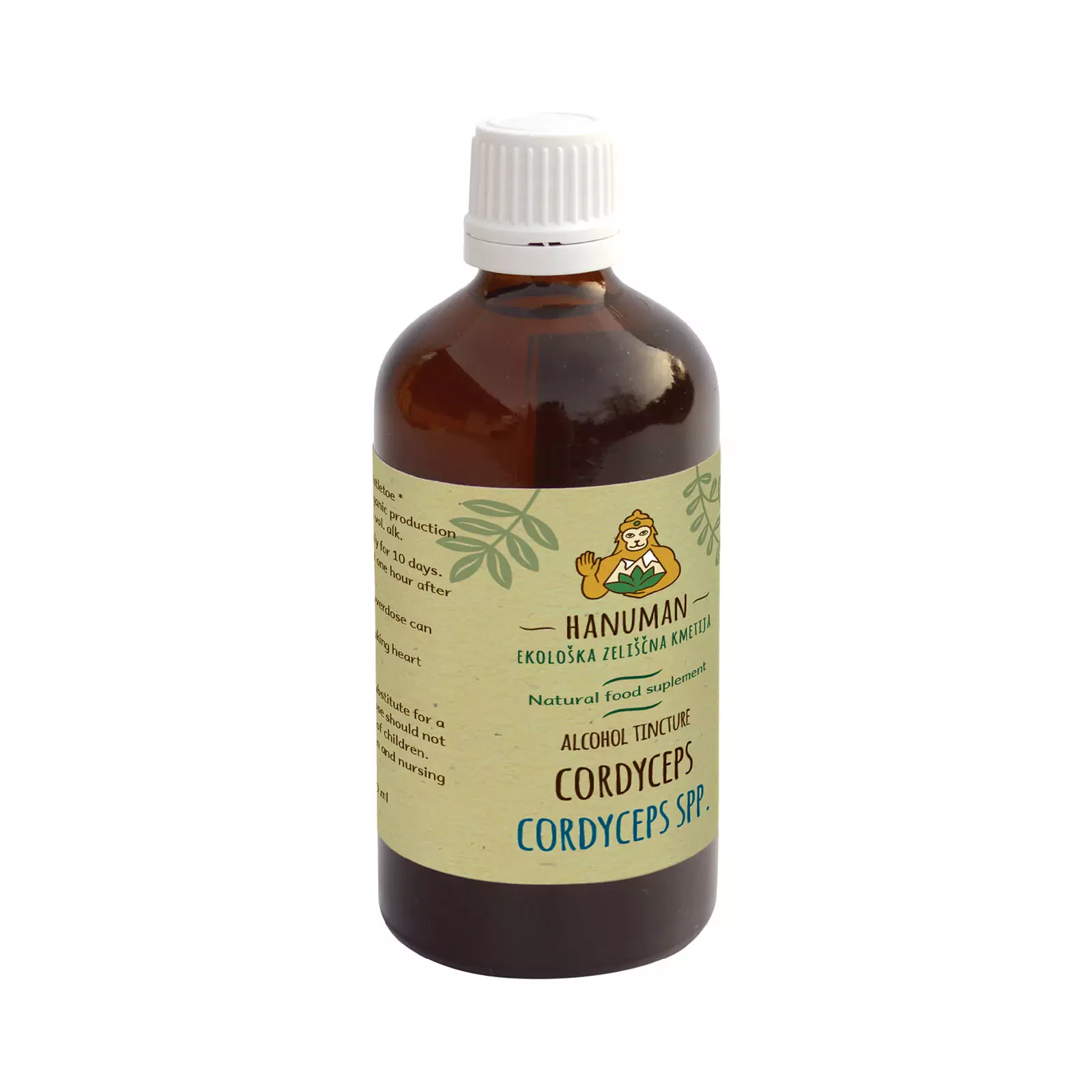
Cordyceps Tincture (Cordyceps spp.) is a natural preparation made from carefully selected fungi using a dual extraction process with water and alcohol. The extraction is additionally supported by ultrasound, which helps release a broad spectrum of naturally occurring compounds from the fungal material.This carefully prepared extract combines traditional herbal knowledge with modern extraction techniques, preserving the natural complexity of cordyceps mushrooms.
Ingredients of the Cordyceps Tincture:
- cordyceps fruiting body and mycelium (Cordyceps spp.)
- organic fruit spirit (Slovenian origin) and water
Description
Usage
About the herb
Combinations
FAQ
Cordyceps Tincture (Cordyceps spp.) is a natural food supplement made from organically grown cordyceps fruiting bodies and mycelium, prepared using a carefully developed dual extraction process with alcohol and water. Both extraction stages are supported by ultrasound-assisted technology, which helps release naturally occurring compounds from the fungal material.
For the alcohol extraction, we use organic Slovenian fruit brandy containing 55% alcohol by volume. Separately, we prepare a water extract by gently simmering the cordyceps for approximately one hour, followed by additional ultrasound-assisted extraction. This combination allows us to obtain different groups of naturally occurring compounds, as some are more readily extracted in water, while others are more soluble in alcohol.
The alcohol and cooled water extracts are then combined, left to macerate further and carefully filtered. This process allows us to obtain a broad spectrum of naturally occurring fungal compounds, including water-soluble polysaccharides and other characteristic constituents of cordyceps. Ultrasound supports both extraction stages, combining traditional extraction methods with modern technology and careful attention to quality.
The cordyceps used for our tincture is organically grown in Slovenia under controlled conditions, ensuring quality and traceability. The cordyceps used for our tincture is organically grown in Slovenia under controlled conditions, with careful attention to quality and traceability.taken throughout the entire process – from the selection of the fungal material to the separate alcohol and water extractions, ultrasound-assisted processing and final combination of both extracts.
Ingredients of the Cordyceps Tincture:
- dried cordyceps fruiting bodies and mycelium (Cordyceps spp.), organically grown in Slovenia
- organic fruit brandy, Slovenian origin
- water
Concentration of Cordyceps:
- nominal extraction ratio: 1:5 (based on the total weight of fungal material and the initial volume of extraction liquids)
- alcohol extraction solvent: 55% alcohol (v/v)
- dual extraction with alcohol and water, supported by ultrasound-assisted technology
Packaging:
- 50 ml
- dark glass bottle with dropper
Quality of the Cordyceps Tincture:
- 100% natural ingredients
- certified organic (IKC UM, SI-EKO-002)
- no added artificial colours, preservatives or GMOs
Recommended use of the Cordyceps Tincture:
- 15–20 drops
- 2–3 times daily
- you can start with a lower amount and gradually increase to 20 drops
- recommended for 3 weeks, followed by a break of at least 1 week
How to take:
- add the tincture to a glass of water or take it from a spoon followed by some water
- the tincture may be taken before meals or with food, according to individual preference and tolerance
- if you have a sensitive stomach, taking it with food may be more comfortable
Tips for using Cordyceps Tincture:
- the tincture can easily be included in your daily routine, preferably at regular times
- one 50 ml bottle usually lasts approximately 2 weeks, depending on the number of drops used
- for a 3-week course, we recommend 2 bottles
- shake gently before use, if necessary
Warnings:
- food supplements should not be used as a substitute for a varied, balanced diet and a healthy lifestyle
- do not exceed the recommended daily dose
- keep out of reach of children
- not suitable for children due to its alcohol content
- not recommended during pregnancy or breastfeeding due to insufficient safety data
- people taking medication or with specific health conditions should consult a healthcare professional before use
Cordyceps (Cordyceps spp.)
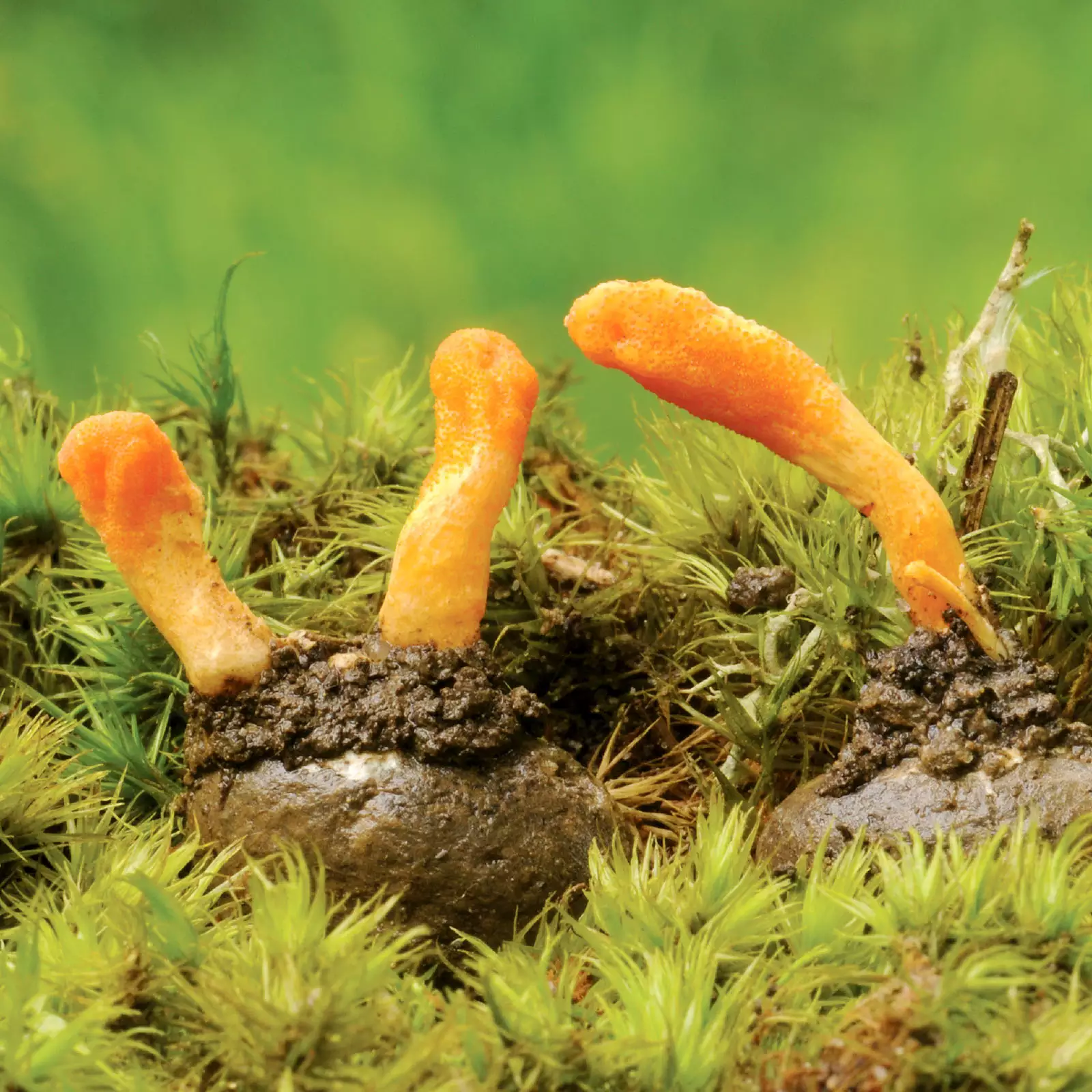
Cordyceps is a distinctive fungus with a long and fascinating history in Asian traditions. Both in appearance and in its story, it differs from most herbs, as it is not a plant but a fungus belonging to the ascomycetes. Today, modern preparations commonly use cultivated species from the genus Cordyceps. Cultivation allows for better traceability, controlled growing conditions and more sustainable production.
Cordyceps belongs to the family Cordycipitaceae. This group of fungi is botanically and ecologically fascinating, with remarkable diversity and a long history of scientific research. Products are sometimes labelled more broadly as Cordyceps spp., referring to the genus or several related species rather than to a single species.
Cordyceps preparations commonly use the fruiting body, the mycelium or a combination of both. Different parts of the fungus may contain varying proportions of naturally occurring polysaccharides, nucleosides and other characteristic compounds. Carefully designed extraction methods can help obtain a broad spectrum of these naturally occurring constituents.
One of the most fascinating aspects of cordyceps is its unusual place in nature. Certain species are known for their remarkable life cycles and their relationships with insects. These unusual characteristics have attracted the interest of naturalists, researchers and traditional cultures for centuries.
In Asian traditions, certain cordyceps fungi were considered rare and valuable natural materials. Some species grew in remote mountain regions and were difficult to collect. Their unusual appearance, limited availability and place in traditional cultural practices contributed to their reputation.
Today, cultivated forms are increasingly used as a more sustainable alternative, helping to reduce pressure on wild populations. This transition from a rare mountain fungus to a carefully cultivated crop illustrates how traditional knowledge, modern cultivation and respect for nature can come together.
Modern cultivation also makes it possible to follow the growing process more closely, from the selection of fungal material to harvesting and processing. These controlled conditions are particularly important when preparing extracts intended for consistent quality and traceability.
Perhaps one of the most beautiful aspects of cordyceps is its story of adaptation and the remarkable diversity of life in nature. From remote mountain environments to carefully managed cultivation, this unusual fungus reminds us how much there is still to discover about the natural world. It invites us to look more closely at the hidden connections between living organisms and to appreciate the patient processes through which nature develops its extraordinary forms.
Cordyceps Tincture + Reishi Tincture
- both tinctures for internal use
- a combination of two carefully prepared mushroom extracts, each with its own distinctive composition and long history of traditional use
Cordyceps Tincture + Milky Oats Tincture
- both tinctures for internal use
- a combination of a dual-extracted mushroom tincture and a traditional herbal preparation made from milky oat tops
Cordyceps Tincture + Rhodiola Tincture
- both tinctures for internal use
- a combination of two distinctive natural extracts, bringing together cultivated cordyceps fungi and carefully selected rhodiola root
Cordyceps Tincture + Echinacea Tincture
- both tinctures for internal use
- a combination of a mushroom extract and a traditional botanical preparation made from echinacea, reflecting two different approaches to herbal extraction
Can I take several different medicinal mushrooms at the same time?
Different mushroom preparations are sometimes used together as part of a daily routine. Each mushroom has its own characteristic composition, and combinations may bring together different naturally occurring fungal compounds.
When combining several mushroom extracts, it is sensible to keep the total amount moderate and follow the recommended use of each individual product. Introduce new preparations gradually rather than starting several at the same time.
If you take medication or have an existing health condition, consult a qualified healthcare professional before combining different mushroom extracts.
Can Cordyceps interact with medication?
Cordyceps (Cordyceps spp.) contains naturally occurring compounds that are still being studied. Information about possible interactions with medicines is limited, and the safety of combining cordyceps preparations with certain medications has not been fully established.
Particular caution is advisable when taking anticoagulant or antiplatelet medicines, as well as medication used to regulate blood sugar. Possible interactions have been suggested, although clinical evidence in humans remains limited.
People taking immunosuppressive medication, including following organ transplantation, should also seek medical advice before using cordyceps preparations.
If you take medication for blood pressure or have a chronic health condition, consult your doctor or another appropriately qualified healthcare professional before use.
These precautions are particularly important because different Cordyceps species and preparations may vary in their composition and concentration.
What about long-term use of Cordyceps?
The safety of long-term use of Cordyceps spp. preparations has not been sufficiently established, particularly because products may contain different fungal species and vary in their extraction methods and concentrations.
For our Cordyceps Tincture, we recommend following the instructions on the product label. Our suggested routine is 3 weeks of use, followed by a break of at least 1 week.
We do not recommend extending the duration of use without appropriate professional advice, particularly for people taking medication or managing existing health conditions.
During pregnancy and breastfeeding, cordyceps preparations are not recommended due to insufficient safety data.