

Lemon Balm Tincture 100 ml – Organic
24,00 €
(incl. VAT)
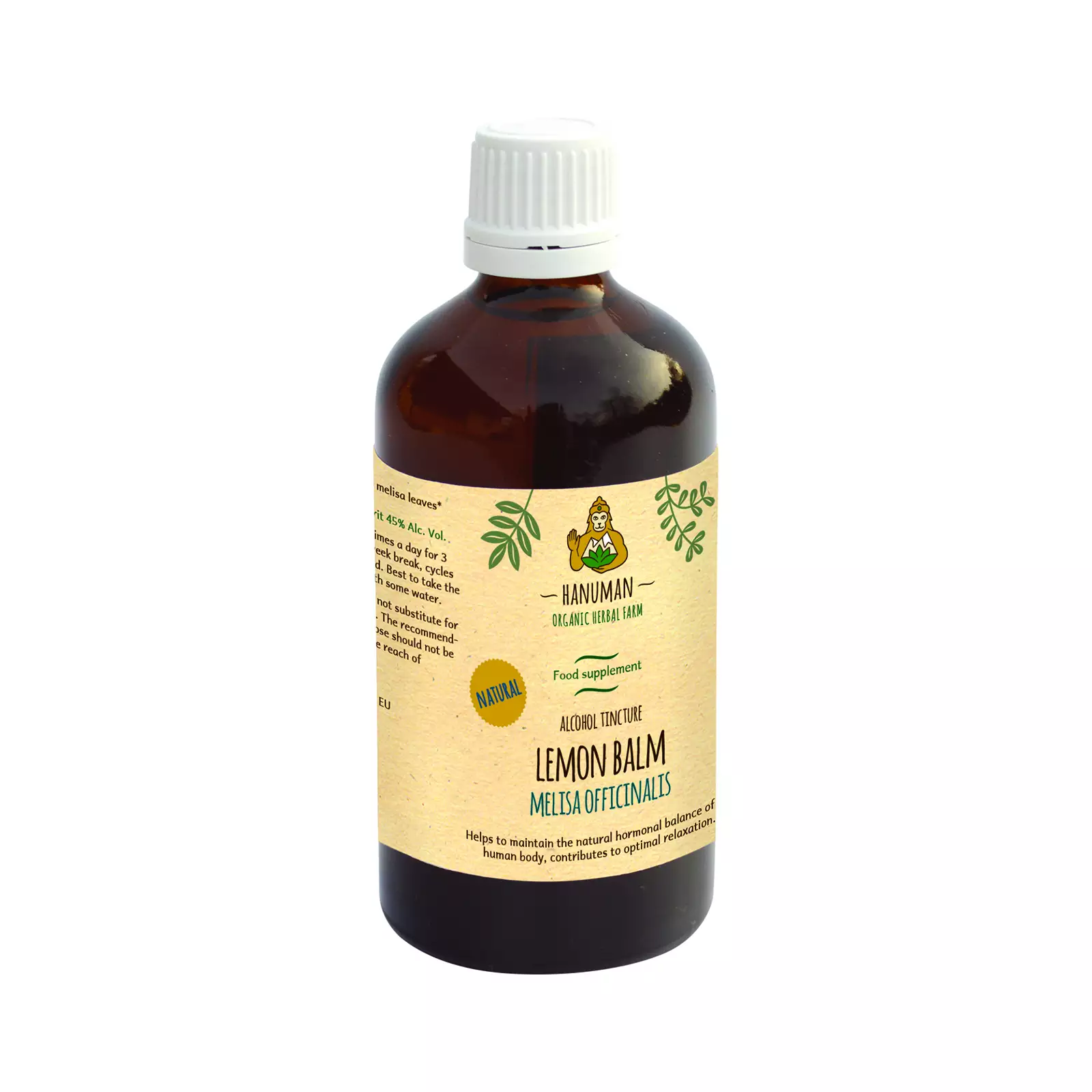
Lemon Balm tincture is a natural food supplement made from lemon balm herb, prepared using the traditional cold maceration method. Made from organically grown Slovenian herbs, it is traditionally used to promote calm, relaxation and inner balance.
Ingredients of Lemon Balm tincture:
- Lemon balm herb (Melissa officinalis, herba)
- Organic Slovenian fruit brandy
Description
Usage
About the herb
Combinations
FAQ
Lemon Balm tincture is a liquid herbal preparation made from fresh lemon balm herb (Melissa officinalis), using the traditional cold maceration method. This gentle process helps preserve a broad spectrum of naturally occurring compounds, along with the plant’s characteristic freshness and aroma.
The alcohol concentration is carefully adjusted to suit the properties of the fresh herb, which naturally contains moisture. This allows for balanced extraction of both water-soluble and aromatic compounds while preserving the gentle, natural character of lemon balm.
Our lemon balm is organically grown in Slovenia and carefully harvested by hand when its aromatic compounds are at their peak. The freshness of the plant is reflected in the finished tincture, which retains its delicate, distinctive aroma and natural character.
Ingredients of Lemon Balm tincture:
- Lemon balm herb (Melissa officinalis, herba)
- Organic Slovenian fruit brandy, 45% alcohol by volume
Lemon Balm tincture concentration:
- Extraction ratio 1:5, 45% alcohol by volume
Packaging:
- 100 ml
- Dark glass bottle with dropper
Lemon Balm tincture quality:
- 100% natural ingredients
- Certified organic (IKC UM, SI-EKO-002)
- Free from pesticides and artificial colours
Recommended use of Lemon Balm tincture:
- 15–25 drops
- Up to 3 times daily
- You may start with a lower dose and gradually increase it to 20–25 drops
- The recommended duration of use is 3 weeks, followed by a break of at least 1 week or switching to another tincture
- For longer-term use, the tincture may be taken continuously for up to 2 months, followed by a break
How to take Lemon Balm tincture:
- Add the drops to a glass of water or take them directly from a spoon
- Preferably take on an empty stomach (before meals or at least 1 hour after eating) for better absorption. There is no need to eat immediately afterwards
Tips for using Lemon Balm tincture:
- Lemon balm has a pleasant, gentle and slightly lemony flavour, making it suitable for evening use
- It is generally considered a well-tolerated herb
- One 100 ml bottle lasts approximately 3–4 weeks
- You can incorporate it into your evening ritual or use it during moments when you wish to feel calmer and more relaxed
Warnings:
- Food supplements should not be used as a substitute for a varied and balanced diet
- Do not exceed the recommended daily dose
- Keep out of reach of children
- Not suitable for children due to its alcohol content
- People with thyroid disorders should consult a healthcare professional before use to determine whether the tincture is suitable for them
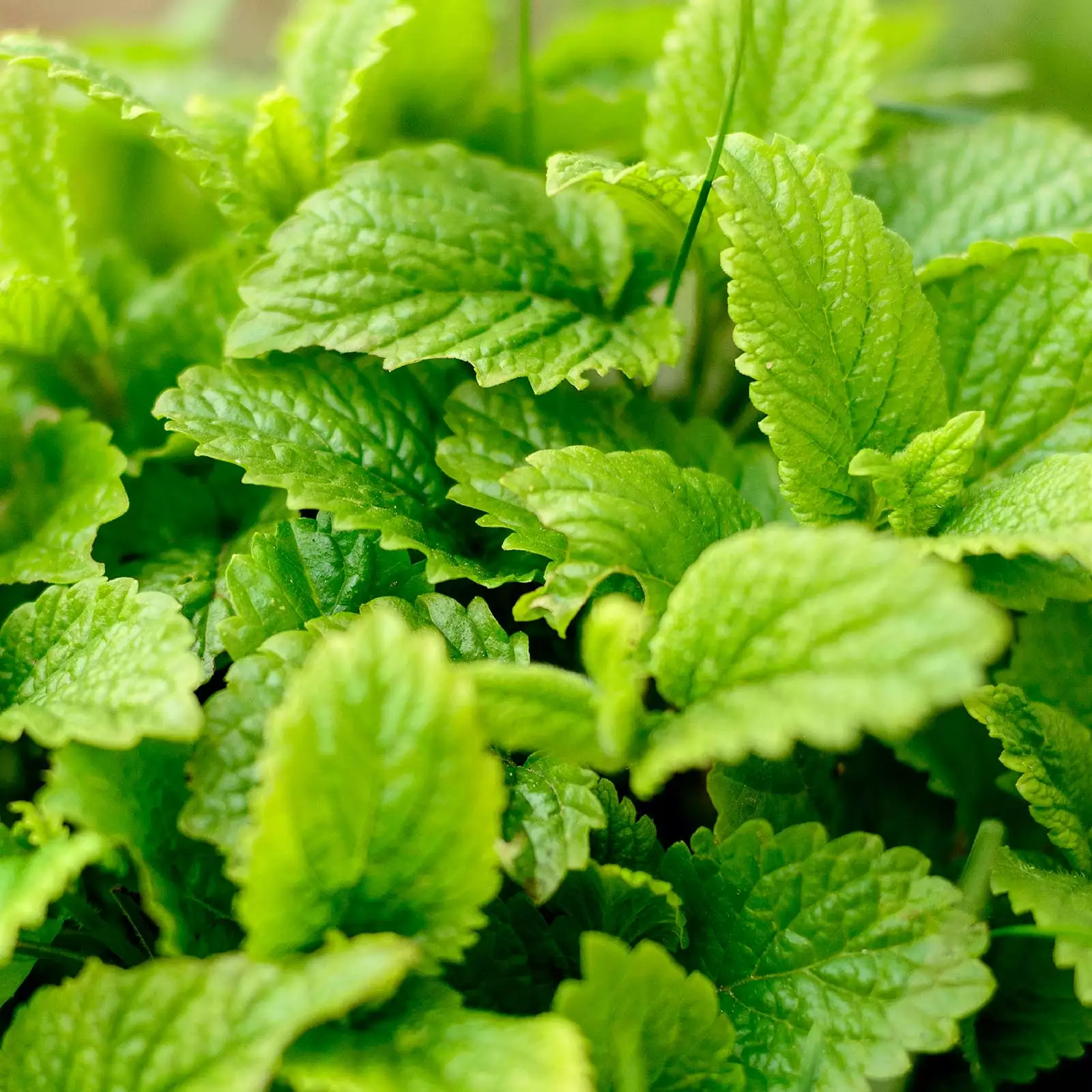
Lemon Balm (Melissa officinalis)
Lemon balm is a gentle, aromatic herb with a distinctive lemony fragrance, often found in gardens and around traditional homes. Its softness and warmth have long been associated with a sense of peace, comfort and inner balance.
It belongs to the mint family (Lamiaceae).
In herbalism, we primarily use the aerial parts (herba), including the leaves and upper parts of the plant, traditionally harvested during the flowering period, when its aromatic qualities are particularly pronounced.
An interesting detail lies in its Latin name, Melissa, which comes from the Greek word for bee. The plant is highly attractive to bees, and according to traditional folklore, its fragrance was believed to calm and attract bee colonies. In the past, lemon balm was planted near beehives as a symbol of protection and harmony between people and nature.
Lemon balm has a long history of traditional use during periods when we seek greater calm, relaxation and inner balance. It is often included in evening rituals or enjoyed during moments when we wish to slow down the pace of the day and gently reconnect with ourselves.
In modern herbalism, lemon balm is valued for its traditional role in supporting relaxation, general well-being and a sense of inner peace. Its use is rooted in centuries of herbal tradition and a deep appreciation for its gentle yet profound character.
Lemon Balm tincture + Stress Balance tincture
- Both tinctures for internal use
- Stress Balance is traditionally used during the day in periods of increased stress, while lemon balm promotes relaxation in the evening, helping to create a gentle transition from an active day to restful relaxation.
Lemon Balm tincture + Rhodiola tincture
- Both tinctures for internal use
- Rhodiola is traditionally used during the day to support the body during periods of increased stress, while lemon balm promotes calm in the evening and a gentler transition into rest.
Lemon Balm tincture + Valerian tincture
- Both tinctures for internal use
- Lemon balm gently promotes calm and relaxation, while valerian is traditionally used in the evening when we seek a deeper sense of tranquillity, ease and relaxation.
Lemon Balm Tincture + Relax & Sleep Tincture
- both tinctures for internal use
- lemon balm is traditionally valued for supporting calm, relaxation and digestive comfort, while Relax & Sleep combines selected herbs traditionally used to support evening relaxation and restful sleep
- together, they offer gentle complementary support during periods of tension, mental overactivity or when you want to create a calmer evening rhythm
Is lemon balm recommended for thyroid conditions?
Lemon balm (Melissa officinalis) is mentioned in some sources in connection with an overactive thyroid (hyperthyroidism), mainly due to effects observed in laboratory studies. However, these findings have not been sufficiently confirmed in clinical practice, so lemon balm cannot be recommended as a targeted treatment for thyroid conditions.
Lemon balm contains compounds, such as rosmarinic acid, that have been associated with effects on the binding of thyroid-stimulating hormone (TSH) to its receptors in laboratory studies. These effects have primarily been investigated in vitro and cannot be directly translated into clinical use in humans.
For an underactive thyroid (hypothyroidism):
Moderate consumption of lemon balm may be considered for general well-being. However, clinical data on its effects on thyroid function and potential interactions with thyroid medication remain limited. Regular use should therefore be discussed with a healthcare professional.
For an overactive thyroid (hyperthyroidism):
Lemon balm has attracted interest as a potentially useful herb, but its effects have not been sufficiently established in clinical studies. Its use should be approached with caution and preferably discussed with a healthcare professional.
Lemon balm is not primarily a herb for thyroid health. However, it may offer gentle support for relaxation and general well-being, particularly during periods of stress and tension that often accompany hormonal imbalances.
Can lemon balm affect thyroid medication?
There is currently no reliable clinical evidence that lemon balm (Melissa officinalis) directly reduces the effectiveness of thyroid medication. Although laboratory studies have observed certain effects on thyroid-related receptors, these findings have not been clearly confirmed in humans.
Significant interactions have not been established with ordinary, moderate use of lemon balm. Nevertheless, caution is advised with regular use, particularly when taking thyroid medication. If you are taking medication for a thyroid condition, consult your doctor or pharmacist before using lemon balm regularly.