

Cramp Bark Tincture 100 ml – Organic
24,00 €
(incl. VAT)
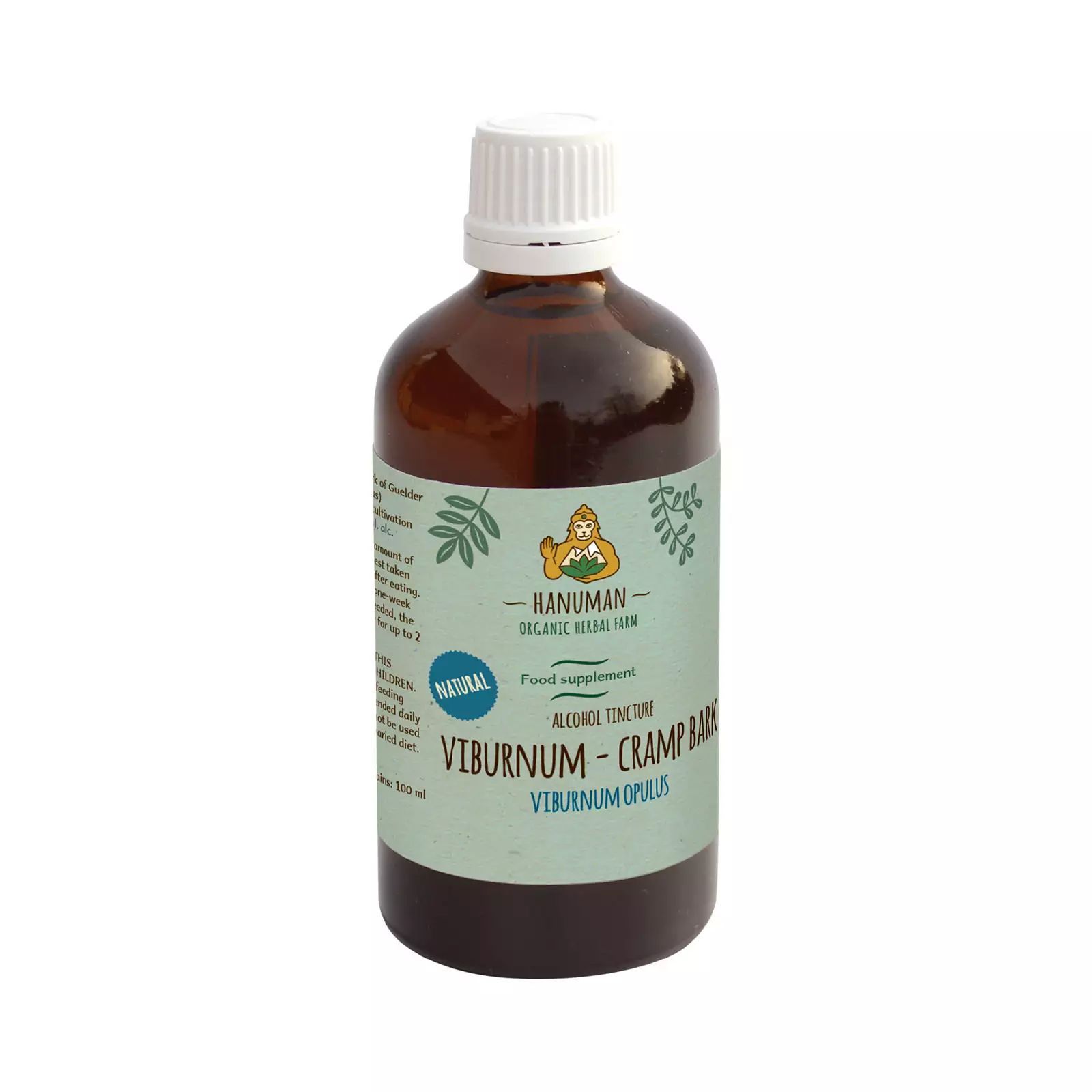
Cramp Bark Tincture (Viburnum opulus) is a natural food supplement made from organically harvested cramp bark, traditionally used to support the body during periods of physical tension. It is prepared using the traditional cold maceration method in organic fruit brandy, helping preserve a broad spectrum of naturally occurring plant compounds.
Cramp Bark Tincture Ingredients:
- cramp bark (Viburnum opulus, cortex), Slovenian origin, organic
- fruit brandy, 45% alcohol by volume, Slovenian origin, organic
Description
Usage
About the herb
Combinations
FAQ
Cramp Bark Tincture (Viburnum opulus) is a natural food supplement made from cramp bark (cortex) using the traditional cold maceration method. This process allows for the extraction of a broad spectrum of naturally occurring plant compounds while preserving the plant’s natural character.
We grow cramp bark on our organic herbal farm in Slovenia. The bark is carefully harvested by hand in autumn, using only high-quality plant material.
Cramp Bark Tincture Ingredients:
- cramp bark (Viburnum opulus, cortex), Slovenian origin, organic
- fruit brandy, 45% alcohol by volume, Slovenian origin, organic
Cramp Bark Concentration:
- extraction ratio 1:5, 45% alcohol by volume
Packaging:
- 100 ml
- dark glass bottle with dropper
Cramp Bark Tincture Quality:
- 100% natural ingredients
- certified organic (IKC UM, SI-EKO-002)
- free from pesticides, artificial colourings and preservatives
Recommended Use of Cramp Bark Tincture:
- 10–15 drops
- up to 3 times daily
- recommended use for 3 weeks, followed by a break of at least 1 week or switching to another tincture
- for extended use, including up to 2 consecutive months, consult a healthcare professional beforehand; take a break afterwards
How to Take Cramp Bark Tincture:
- add the drops to a glass of water or take them on a spoon
- the tincture can be taken before meals or at least 1 hour after eating
- there is no need to eat immediately afterwards; if you have a sensitive stomach, you may prefer taking it with food
Tips for Using Cramp Bark Tincture:
- cramp bark is traditionally used during periods of physical tension and feelings of tightness in the body
- the amount of time one bottle (100 ml) lasts depends on the daily dosage
- the tincture can be incorporated into shorter herbal routines and alternated with other suitable herbal preparations when appropriate
Precautions:
- food supplements should not be used as a substitute for a varied and balanced diet
- do not exceed the recommended daily dose
- keep out of reach of children
- not suitable for children due to its alcohol content
Additional Precautions:
- do not use during pregnancy or breastfeeding
- larger amounts may cause mild digestive discomfort in sensitive individuals
- consult a healthcare professional before use if you are taking medication or have a chronic medical condition
- discontinue use and seek medical advice if symptoms persist or worsen
Cramp Bark (Viburnum opulus)
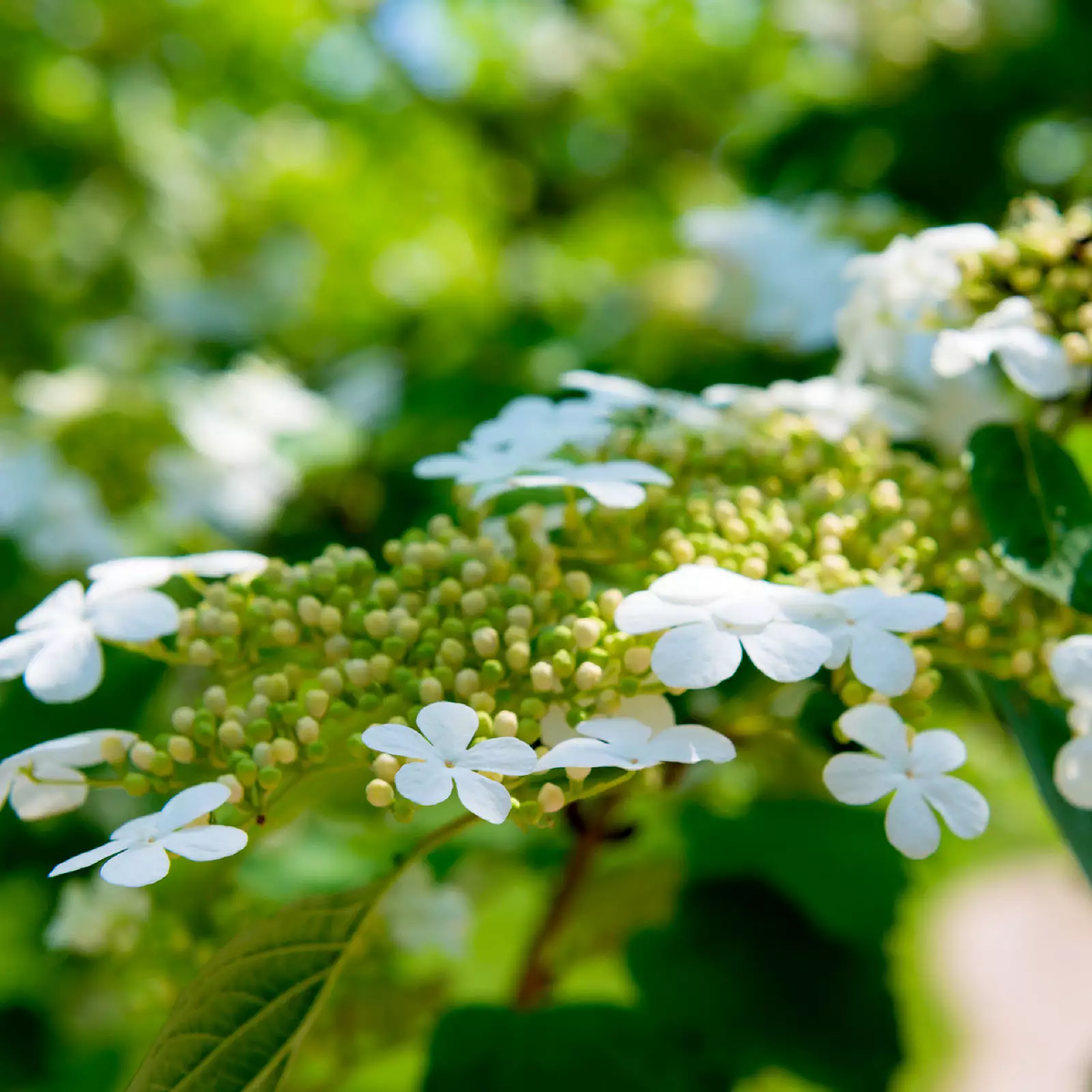
Cramp bark is a branching shrub with delicate white flowers and distinctive red berries. It grows along woodland edges, near streams and in damp meadows. In nature, it is easily recognised by its rounded flower clusters and glossy red berries in autumn.
It belongs to the Adoxaceae family.
In herbalism, we primarily use the bark (cortex), harvested during the plant’s dormant season, when it contains its characteristic natural compounds.
Interestingly, while cramp bark berries are not suitable for eating raw, they have historically been used as food after appropriate processing. The plant also has a long history of use in various European herbal traditions.
Traditionally, cramp bark has been used to support the body during periods of physical tension, particularly when experiencing feelings of tightness or cramping.
Cramp Bark Tincture + Horse Chestnut Balm
- tincture taken orally, salve applied externally
- cramp bark is traditionally used during periods of physical tension, while horse chestnut has a long history of use in leg care
- this combination is suitable for herbal routines focused on tired, heavy-feeling legs and physical discomfort
Cramp Bark Tincture + Lemon Balm Tincture
- both tinctures taken orally
- cramp bark is traditionally used during periods of physical tension, while lemon balm is traditionally associated with relaxation
- this combination can be incorporated into routines during periods of physical and emotional tension
Cramp Bark Tincture + Chamomile Tincture
- both tinctures taken orally
- cramp bark is traditionally used during periods of physical tension, while chamomile is valued for its traditional use in supporting digestion
- this combination can be included in herbal routines focused on abdominal comfort
Cramp Bark Tincture + Yarrow Tincture
- both tinctures taken orally
- cramp bark is traditionally used during periods of physical tension, while yarrow has a long history of use in women’s herbal traditions
- this combination can be incorporated into herbal routines focused on comfort during menstrual cycle changes
Can Cramp Bark Tincture Be Used Occasionally, as Needed?
Yes, cramp bark tincture can also be used occasionally, as needed. However, in traditional herbal practice, it is often taken regularly in cycles rather than only occasionally.
Can Ornamental Varieties of Cramp Bark Be Used to Make Tinctures?
There are several ornamental varieties of cramp bark, primarily cultivated for their appearance.
For our tincture, we use the original wild species, Viburnum opulus, rather than ornamental varieties.