

Fig Leaves Tincture 100 ml – Organic
24,00 €
(incl. VAT)
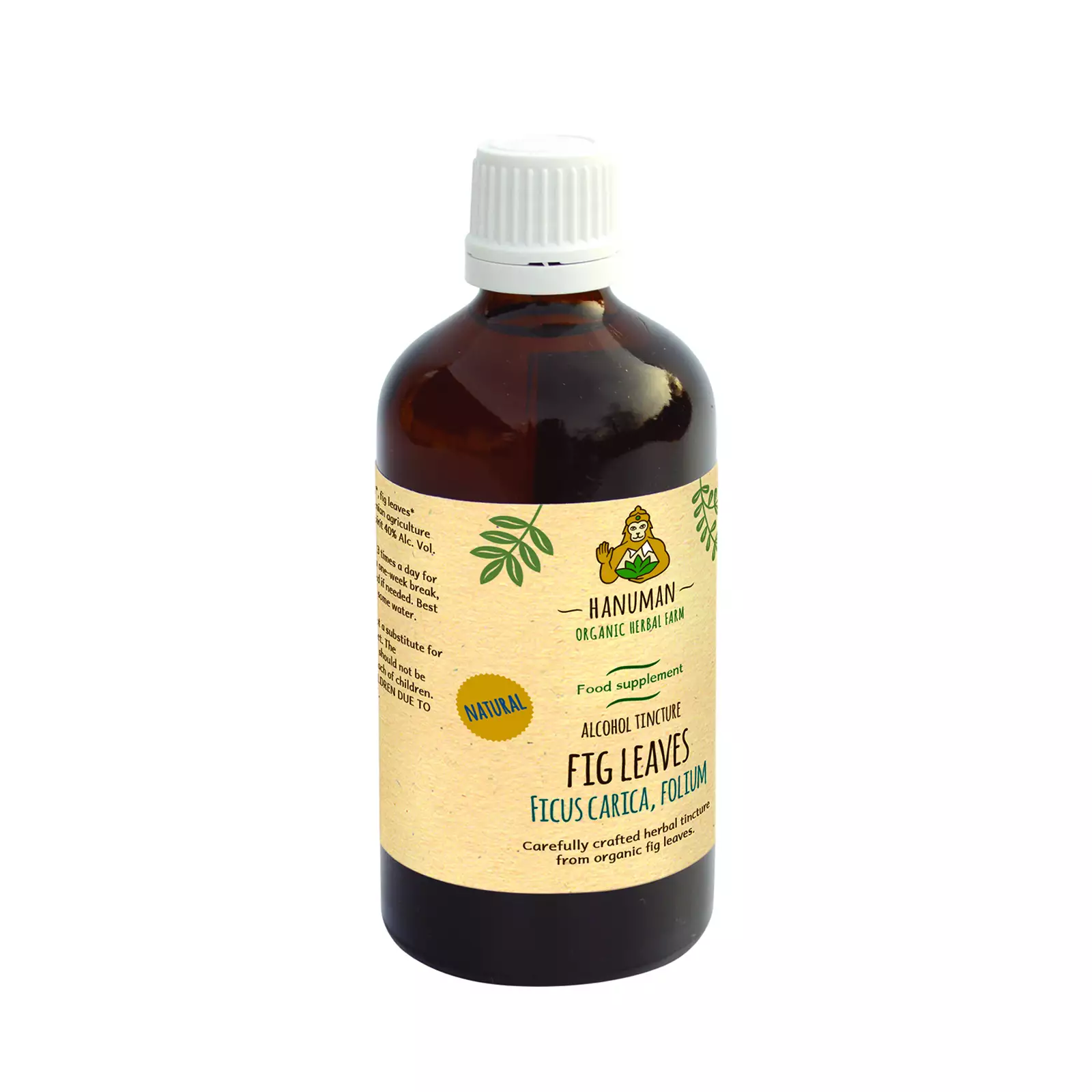
Fig leaf tincture is a concentrated herbal preparation made from Slovenian organic fig leaves, prepared using the traditional cold maceration method. Fig leaves have long been valued in Mediterranean herbalism and have traditionally been used during different periods of life.
Ingredients of fig leaf tincture:
- fig leaves (Ficus carica, folium)
- organic fruit spirit
Description
Usage
About the herb
Combinations
FAQ
Fig leaf tincture is a liquid herbal preparation made from fig leaves (Ficus carica, folium), prepared using the traditional cold maceration method. This method helps preserve a broad spectrum of naturally occurring compounds found in the plant’s distinctive, aromatic leaves.
We use a carefully selected alcohol concentration to achieve a balanced extraction of different plant constituents. In this way, the tincture retains the characteristic gentle and aromatic nature of this Mediterranean plant, which has been valued by people for centuries.
Our fig trees grow in our organic environment, where the warmth of the sun meets the slow rhythms of nature. The leaves are harvested by hand when they are fully developed and rich in their characteristic constituents, then gently dried before being processed into tincture.
Ingredients of fig leaf tincture:
- fig leaves (Ficus carica, folium) (Slovenian origin, organic)
- organic fruit spirit (Slovenia), 40% alcohol by volume
Concentration of fig leaf tincture:
- extraction ratio 1 : 6
- 40% alcohol by volume
Packaging:
- 100 ml
- dark glass bottle with dropper
Quality of fig leaf tincture:
- 100% natural ingredients
- certified organic (IKC UM, SI-EKO-002)
- free from pesticides, artificial colours and other unnecessary additives
- grown and processed in Slovenia
Recommended use of fig leaf tincture:
- 15–20 drops
- 2–3 times daily
- you may start with a smaller amount and gradually increase it as needed
- recommended for 3 weeks, followed by at least 1 week off or by switching to another tincture
- for longer periods of use, we recommend taking regular breaks
How to take fig leaf tincture:
- add to a glass of water or take on a spoon, followed by water
- preferably take before a meal or at least 1 hour after eating, as this allows the tincture to be better absorbed
- there is no need to eat immediately after taking the tincture
Tips for use:
- fig leaves are traditionally valued as a gentle Mediterranean herb, and many people include them in their herbal routines for longer periods
- for one cycle, we recommend 1 bottle; for longer use, 2–3 bottles with breaks in between
- the tincture can be included in your daily herbal routine as part of a balanced lifestyle
- due to the pleasant aroma of fig leaves, many people enjoy using the tincture regularly and over longer periods
Warnings:
- food supplements should not be used as a substitute for a varied and balanced diet and a healthy lifestyle
- do not exceed the recommended daily dose
- keep out of reach of children
- due to its alcohol content, this product is not suitable for children
- do not use in case of known hypersensitivity to fig (Ficus carica)
- during pregnancy and breastfeeding, consult a qualified professional before use
- if you are taking medication or have a medical condition, consult your doctor or pharmacist before use
Fig tree (Ficus carica)
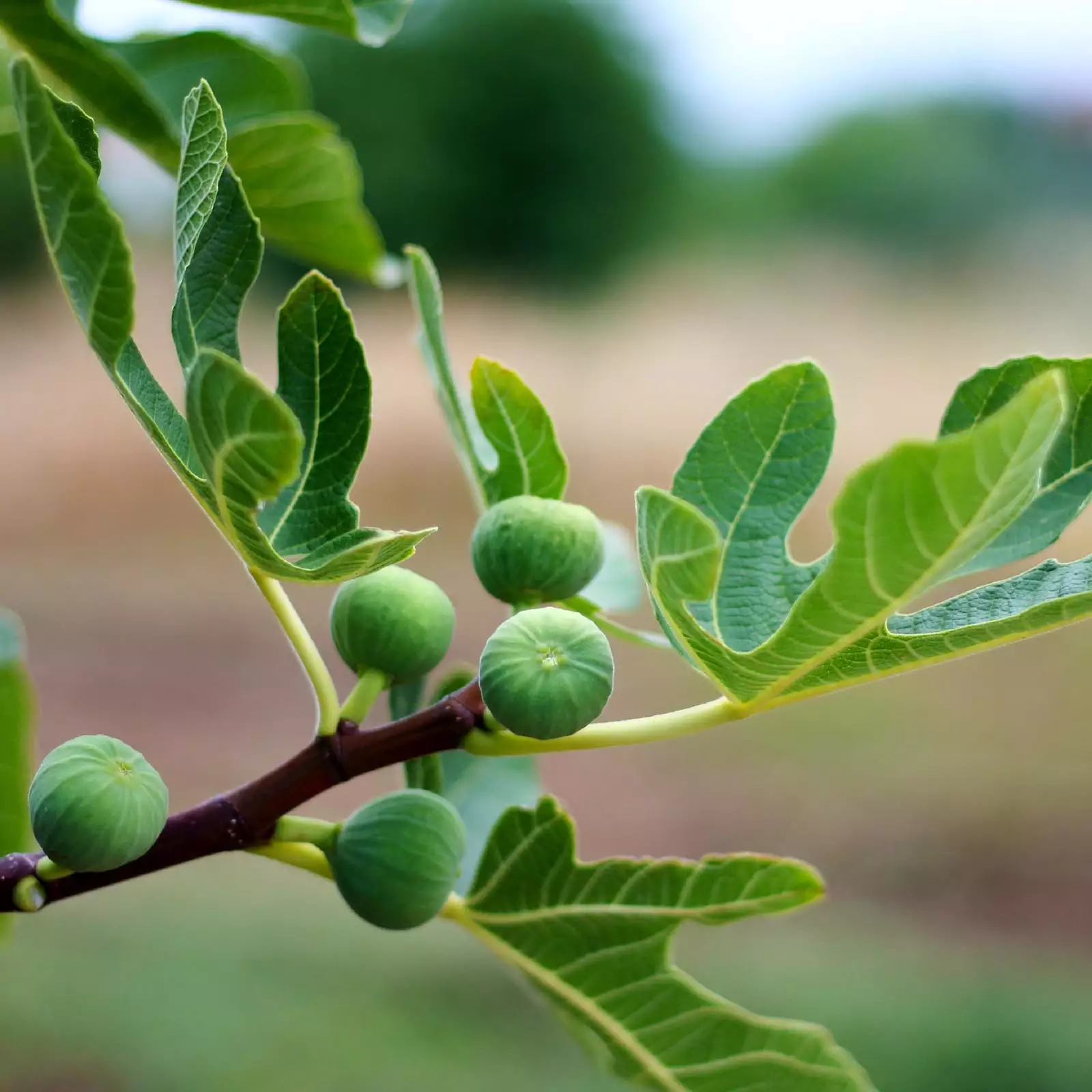
The fig tree is one of the oldest cultivated plants of the Mediterranean. It is recognised by its large, deeply lobed leaves, milky sap and sweet fruits, which have long been symbols of abundance, warmth and ripeness.
It belongs to the mulberry family (Moraceae). This family also includes mulberries, paper mulberry and several other plants that often contain a characteristic milky sap.
In herbal preparations, mainly the leaves of the fig tree (Ficus carica, folium) are used. We harvest them when they are fully developed, firm and filled with their distinctive green, warm, almost Mediterranean aroma.
The fig tree is a plant with a long history. In many cultures, it was regarded as a tree of abundance, wisdom and protection of the home. Its large leaves are also familiar from ancient stories and works of art, while its fruits were an important food for travellers, shepherds and people who lived close to the land.
Interestingly, the fig tree is not only a plant of sunshine, but also of patience. Its fruits ripen slowly, while its broad leaves provide welcome shade during the summer. In traditional culture, the fig is often associated with peace, the home and the warmth of southern lands.
In herbal tradition, fig leaves are valued as a gentle, green and aromatic herb. They are used during periods when we wish to offer the body gentle plant-based support and bring a touch of Mediterranean softness, warmth and balance into everyday life.
Traditionally, fig leaves have been included in herbal preparations to support metabolic balance and a general sense of lightness after meals. Their distinctive character makes them especially appreciated by people who enjoy gentle leafy herbs and herbal preparations with a calm, earthy rhythm.
Fig leaf tincture + Sugar balance tincture
- both tinctures for internal use
- traditionally, fig leaves and the carefully selected herbs in Sugar balance tincture complement each other during periods when we wish to bring more balance and attention to our daily habits; together, they offer a gentle and holistic herbal approach
Fig leaf tincture + Olive leaf tincture
- both tinctures for internal use
- fig and olive leaves are characteristic Mediterranean herbs traditionally associated with longevity and a calm way of life; together, they bring a touch of sunshine and Mediterranean herbal tradition
Fig leaf tincture + Milk thistle seeds
- tincture and seeds for internal use
- aromatic fig leaves and milk thistle seeds complement each other beautifully in a daily herbal routine; this combination brings together a leafy herb and nutrient-rich seeds
Fig leaf tincture + Reishi tincture
- both tinctures for internal use
- traditionally, fig leaves and reishi complement each other during periods when we wish to offer the body additional support and maintain a sense of inner balance; the calm nature of reishi beautifully complements the gentle character of fig leaves
Is the milky sap of the fig tree poisonous?
No. The milky sap of the fig tree is not considered poisonous in itself. Fresh leaves and fruits contain naturally occurring compounds that may cause skin irritation or increased sensitivity to sunlight in some people after direct skin contact. For this reason, care is recommended when harvesting fresh fig leaves.
Fig leaves have a long tradition of use and have been used for centuries to prepare teas and other herbal preparations. When a tincture is properly prepared and used in the recommended amounts, there is no reason to consider it a poisonous preparation.
However, if you have a known sensitivity to fig (Ficus carica) or experience any adverse reaction, discontinue use.
Will fig leaf tincture make me more sensitive to sunlight?
Increased sensitivity to sunlight is not generally expected when fig leaf tincture is taken internally in the recommended amounts.
Fresh fig leaves and their milky sap contain compounds that may cause skin irritation or increased sensitivity to sunlight in some people when they come into direct contact with the skin and the skin is then exposed to sunlight. This is mainly relevant when harvesting fresh leaves or handling the milky sap.
Such reactions are not generally expected with the internal use of a properly prepared fig leaf tincture.