

Small-flowered Willowherb Tincture 100 ml – Organic
24,00 €
(incl. VAT)
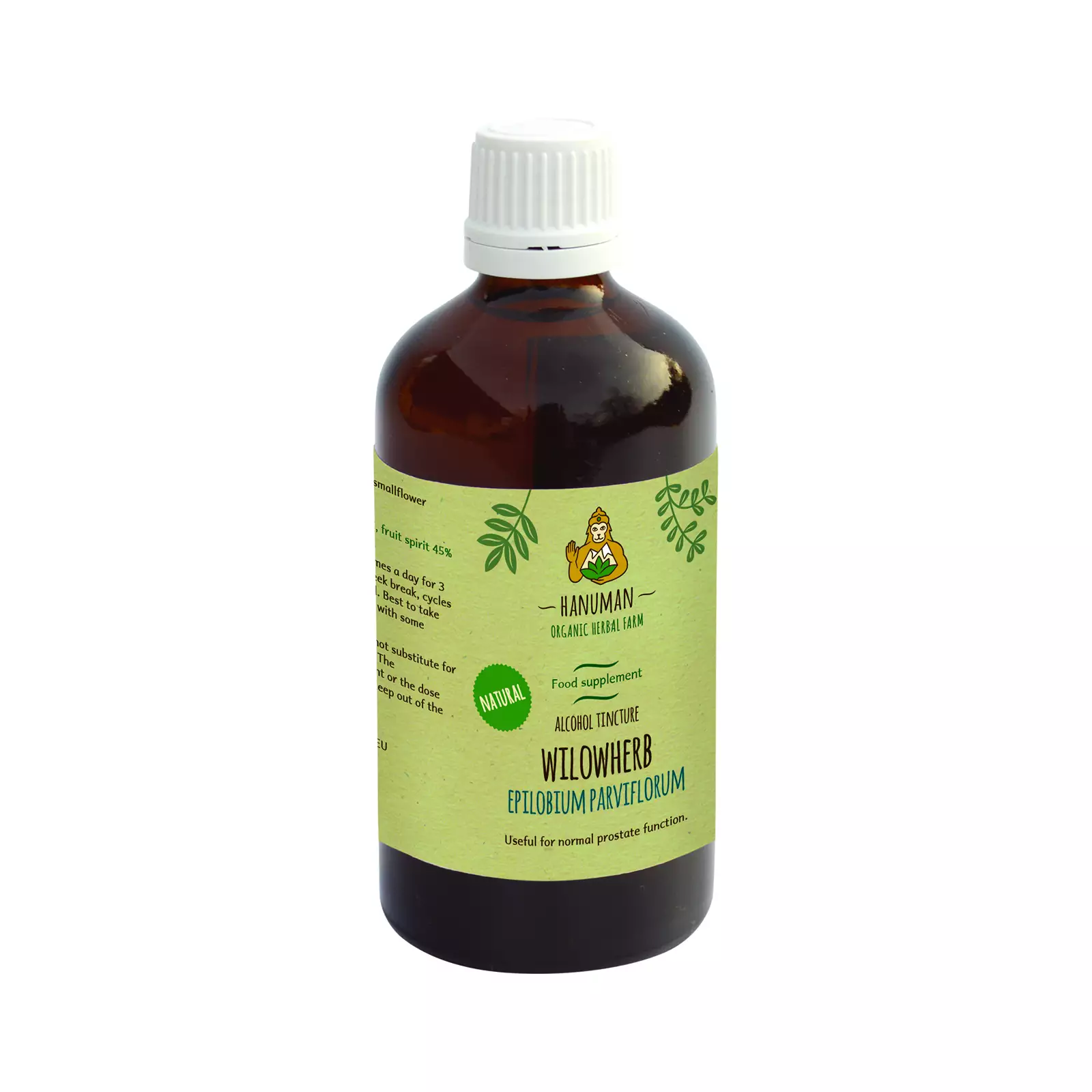
Small-Flowered Willowherb Tincture is an organic tincture made from dried willowherb using the traditional cold maceration method. Traditionally used to support the urinary system and help maintain prostate balance.
Ingredients of the Small-Flowered Willowherb Tincture:
- small-flowered willowherb herb (Epilobium parviflorum, herba; organic, Slovenian origin)
- fruit spirit (organic, Slovenian origin)
Description
Usage
About the herb
Combinations
FAQ
Small-Flowered Willowherb Tincture is a natural extract made from the dried herb (herba) of Epilobium parviflorum, prepared using the traditional cold maceration method. This method helps preserve a broad spectrum of naturally occurring plant compounds.
We use a carefully adjusted alcohol content of 30% vol., which is particularly suitable for willowherb. The lower alcohol concentration supports the extraction of more water-soluble compounds, including tannins, while helping to preserve the balanced character of the herbal extract.
We grow our herbs on our farm or carefully gather them from clean natural habitats. All plants are organically grown or ethically wild-harvested, picked by hand and processed with great respect for nature.
Ingredients of the Small-Flowered Willowherb Tincture:
- small-flowered willowherb herb (Epilobium parviflorum, herba; organic, Slovenian origin)
- fruit spirit, 30% vol. alcohol (organic, Slovenian origin)
Concentration of Small-Flowered Willowherb:
- extraction ratio 1:7, 30% vol. alcohol
Packaging:
- 100 ml
- dark glass bottle with dropper
Quality of the Small-Flowered Willowherb Tincture:
- 100% natural ingredients
- certified organic (IKC UM, SI-EKO-002)
- free from pesticides and artificial colours
Recommended use of the Small-Flowered Willowherb Tincture:
- 25–30 drops
- 2 times daily
- you can start with a smaller amount and gradually increase to 25 drops
- recommended for 3 weeks, followed by a break of at least 1 week
- in certain cases, the tincture can be used continuously for up to 2 months, followed by a break
How to take the Small-Flowered Willowherb Tincture:
- add to a glass of water or take from a spoon
- preferably take on an empty stomach (before a meal or at least 1 hour after eating), as this allows for better absorption; there is no need to eat immediately afterwards
Tips for use:
- small-flowered willowherb is known for its gentle yet steady character and is often included in longer, gradual periods of herbal support
- 1 bottle (100 ml) lasts approximately 4–5 weeks with regular use
- 3–4 shorter, 3-week courses per year are generally recommended, with breaks in between
Warnings:
- food supplements should not be used as a substitute for a varied and balanced diet and a healthy lifestyle
- do not exceed the recommended daily dose
- keep out of reach of children
- not suitable for children due to its alcohol content
- if you take medication or have a medical condition, consult your doctor or pharmacist before use
Small-Flowered Willowherb (Epilobium parviflorum)
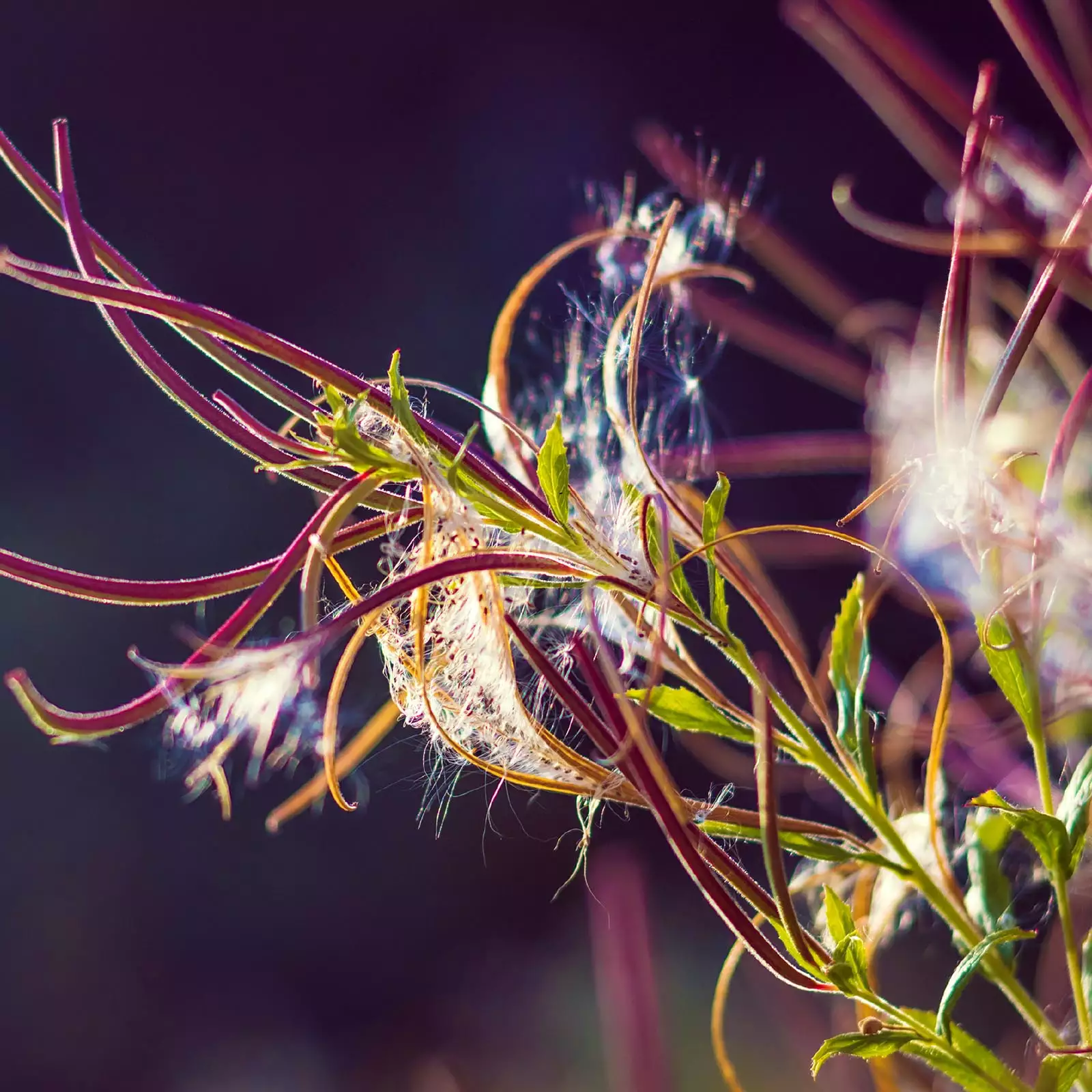
Small-flowered willowherb is a delicate yet persistent perennial found in damp meadows, along paths and ditches, and in other moist, transitional habitats. It does not stand out through extravagance, but has a quiet character, with small pink flowers and a gentle appearance. It is one of those plants that can easily be overlooked, yet has long been known in European herbal tradition. Botanically, the species is accepted as Epilobium parviflorum Schreb., a perennial native to temperate regions of Eurasia.
It belongs to the evening primrose family (Onagraceae), a plant family whose members often have relatively soft stems, simple leaves and delicate flowers, as well as a remarkable ability to adapt to different habitats.
In herbalism, we use the herb (herba) – the aerial parts of the plant harvested before or during flowering. This is also the plant material described in the European herbal monograph, which includes the herb of Epilobium parviflorum and related willowherb species.
There is something quietly wise about willowherb. It does not grow like a showy garden plant, but tends to appear along the edges, where the landscape remains a little wild. Perhaps this is why many herbalists think of it as a plant of gentle, steady support. The genus Epilobium is botanically interesting as it includes several closely related willowherb species, but small-flowered willowherb has gained a particularly recognised place in European herbal tradition.
Traditionally, small-flowered willowherb is associated primarily with support for the lower urinary tract and male well-being in later life. European herbal monographs recognise the traditional use of willowherb preparations for the relief of lower urinary tract symptoms related to benign prostate enlargement, after serious medical conditions have been excluded by a doctor. This long history of traditional use is one of the reasons willowherb remains highly valued among herbalists today.
Part of the beauty of this plant lies in the fact that it does not suggest quick results, but rather patience and consistency. Like many modest plants growing along paths and field margins, it reminds us that gentle, steady support can sometimes be the most valued of all.
Small-Flowered Willowherb Tincture + Nettle Tincture
- both tinctures for internal use
- traditionally, small-flowered willowherb and nettle complement each other as part of a broader herbal routine; willowherb brings its gentle, balancing character, while nettle adds steady herbal support for the urinary system and overall balance
Small-Flowered Willowherb Tincture + Garlic Tincture
- both tinctures for internal use
- traditionally, small-flowered willowherb and garlic can be combined as part of a broader herbal routine; willowherb brings its gentle, steady character, while garlic adds warmth and a more distinctive herbal note to the combination
Which medicines may be problematic when taking Small-Flowered Willowherb Tincture?
Small-flowered willowherb is generally considered a well-tolerated herb, but information about its interactions with medicines is limited. For this reason, some caution is sensible when it is used regularly or for longer periods alongside medication.
Particular care is advisable if you take medicines for prostate or urinary conditions, or if you are receiving hormonal therapy. This does not necessarily mean that an interaction will occur, but there is currently not enough information to rule out possible interactions with certainty.
No major, well-established interactions with small-flowered willowherb are generally recognised. However, if you take prescription medicines regularly, particularly for prostate or urinary conditions, consult your doctor or pharmacist before prolonged use.
When introducing any new herbal preparation, it is also sensible to start gradually and pay attention to how your body responds.
There are several species of willowherb – which ones are suitable for herbal use?
The genus Epilobium includes many different species, some of which can look remarkably similar. Small-flowered willowherb (Epilobium parviflorum) is one of the best-known species in European herbal tradition.
Several closely related Epilobium species also have a history of traditional herbal use and share similarities in their naturally occurring plant compounds. However, small-flowered willowherb remains one of the most recognised and commonly used species for tinctures and other herbal preparations.
Correct identification is important. Other willowherb species also grow in the wild, including great willowherb (Epilobium hirsutum), which has a noticeably different appearance and should not simply be assumed to have the same traditional uses as small-flowered willowherb.
If you gather willowherb yourself, make sure that you can identify the species reliably or gather it with an experienced herbalist. Correct identification is an important part of safe and responsible herbal practice.