

Plantain Tincture 100 ml – Organic
24,00 €
(incl. VAT)
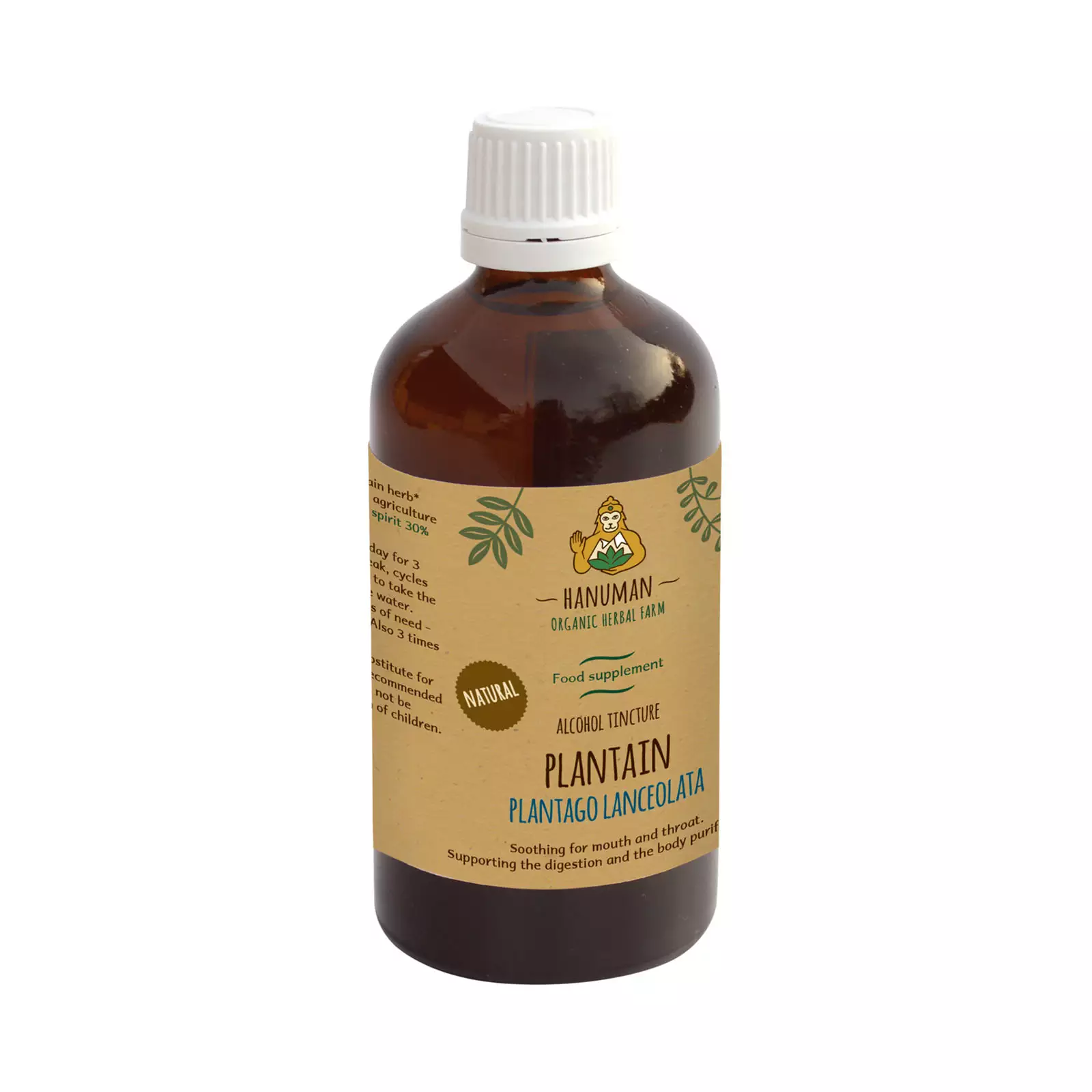
Plantain Tincture (Plantago lanceolata) is a natural food supplement made from organically harvested leaves using the traditional cold maceration method. Plantain is traditionally valued for supporting the throat, digestion and the body's overall balance.
Plantain Tincture Ingredients:
- ribwort plantain leaves (Plantago lanceolata, folium), Slovenian origin, organic
- fruit brandy, 30% alcohol by volume, Slovenian origin
Description
Usage
About the herb
Combinations
FAQ
Plantain Tincture (Plantago lanceolata) is a natural herbal preparation made from ribwort plantain leaves using the traditional cold maceration method. This process helps preserve a broad spectrum of naturally occurring plant compounds developed in the plant’s natural environment.
The alcohol content is carefully adjusted to allow for the extraction of both water-soluble compounds (including mucilage) and other plant constituents, while ensuring the stability of the tincture.
Our plantain is hand-harvested at the optimal time in the unspoilt natural surroundings of our herbal farm in Slovenia.
Plantain Tincture Ingredients:
- ribwort plantain leaves (Plantago lanceolata, folium), Slovenian origin, organic
- fruit brandy, 30% alcohol by volume, Slovenian origin
Plantain Concentration:
- extraction ratio 1:2
- 30% alcohol by volume
Plantain Tincture Packaging:
- 100 ml
- dark glass bottle with dropper
Quality:
- 100% natural ingredients
- certified organic (IKC UM, SI EKO-002)
- free from pesticides, artificial colourings and other unnecessary additives
Recommended Use of Plantain Tincture:
- 25–30 drops
- up to 3 times daily
- you can start with a lower dose and gradually increase it to 25 drops
- recommended use for 3 weeks, followed by a break of at least 1 week or switching to another tincture
- for extended use, including up to 2 consecutive months, consult a healthcare professional beforehand; take a break of at least one week afterwards
How to Take Plantain Tincture:
- add the drops to a glass of water or take them on a spoon
- the tincture can be taken before a meal or at least 1 hour after eating; there is no need to eat immediately afterwards
Tips for Using Plantain Tincture:
- plantain is a gentle herb traditionally used to support the mucous membranes of the throat and digestive tract
- one bottle (100 ml) usually lasts approximately 3 weeks with regular use, depending on the dosage
- one or two bottles are typically used for a complete course, depending on the duration of use
- the tincture can be used on its own or combined with other herbs according to your needs
Precautions:
- food supplements should not be used as a substitute for a varied and balanced diet
- do not exceed the recommended daily dose
- keep out of reach of children
- not suitable for children due to its alcohol content
- if you experience difficulty breathing, fever or purulent sputum during use, consult a doctor
- if symptoms persist or worsen, consult a healthcare professional
Plantain (Plantago lanceolata)
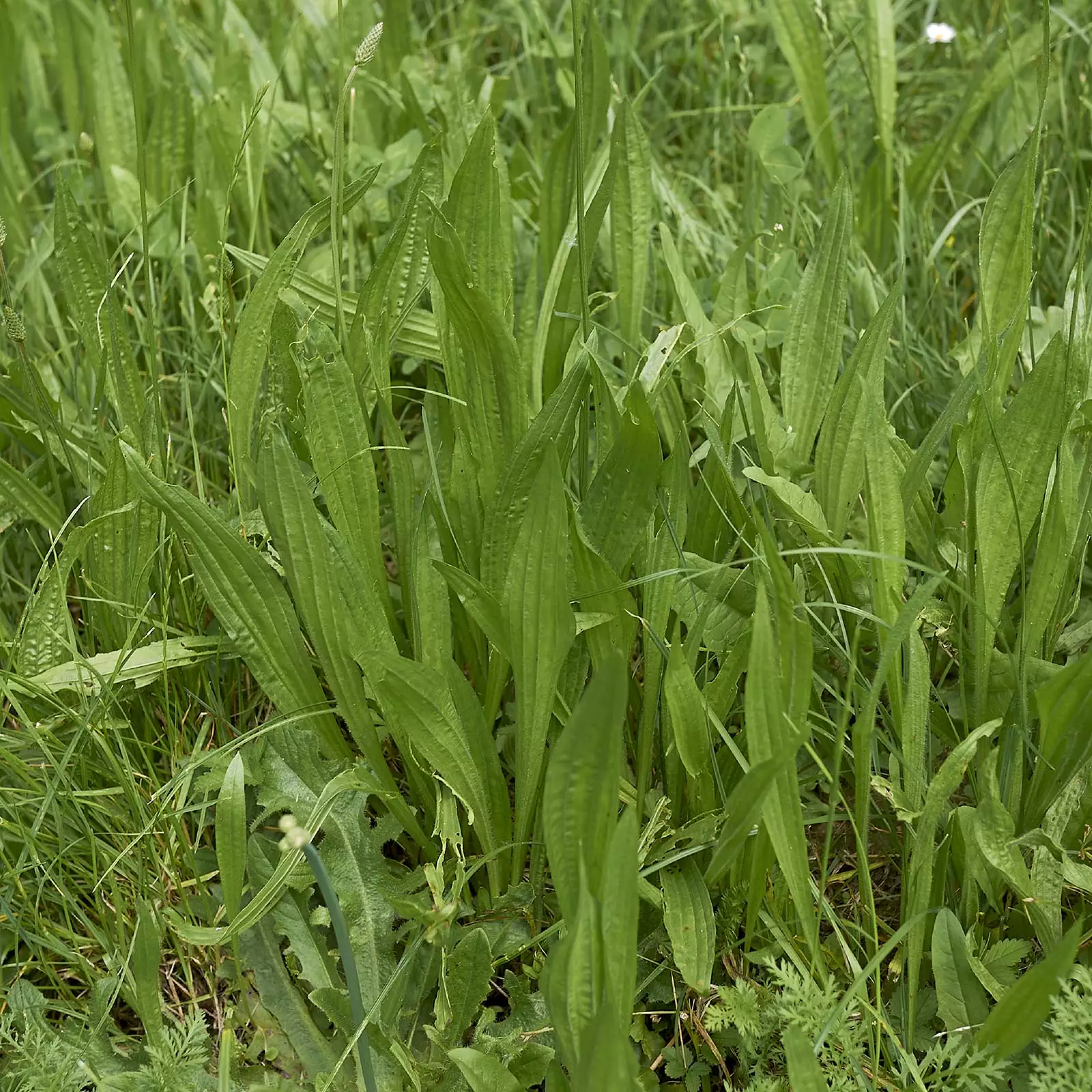
Plantain is an unassuming yet highly valued meadow herb, commonly found along paths, in meadows and on sunny field edges. It is easily recognised by its narrow, lance-shaped leaves and distinctive flower spikes that rise gently above its basal rosette.
It belongs to the plantain family (Plantaginaceae). In herbalism, the leaves are the most commonly used part of the plant, traditionally harvested to prepare herbal teas, syrups, salves and tinctures.
Plantain has long been known as a simple, accessible and versatile herb. It is often associated with caring for mucous membranes and is particularly valued in traditional herbalism for its mucilage content. We harvest it when the leaves are young, healthy and full of vitality.
Traditionally, plantain has been used to support the throat, pharynx and respiratory tract, as well as to provide gentle support for digestion and the body’s overall balance. In herbal practice, it is one of the plants often chosen during periods of coughing and throat irritation.
Plantain also has a long history of traditional use for supporting digestion, the body’s natural defences and a soothing sensation in the mouth, throat and pharynx.
Plantain Tincture + Echinacea Tincture
- both tinctures taken orally
- plantain is traditionally used to soothe the throat and support mucous membranes, while echinacea complements the combination during periods when additional support for the body’s natural defences is desired
Plantain Tincture + Respiratory Balm
- tincture taken orally, salve applied externally
- plantain is traditionally used to support the throat and respiratory tract, while the salve can be applied to the chest or back as part of an evening routine, providing a comforting sense of warmth and relaxation
Can Broadleaf Plantain Also Be Used in the Same Way?
Yes, broadleaf plantain (Plantago major) has a similar history of traditional use to ribwort plantain (Plantago lanceolata). Both are associated with soothing mucous membranes and supporting throat comfort in herbal practice.
Ribwort plantain is more commonly used in tinctures, as it is particularly valued for its traditional applications and is more widely available in this form of herbal preparation.
What Is the Difference Between Using Plantain for Dry and Productive Coughs?
Plantain has traditionally been used for both dry and productive coughs, although the emphasis differs slightly.
For dry, irritating coughs, it is particularly valued for its gentle, soothing properties. It is traditionally used to help soothe irritated mucous membranes in the throat and relieve discomfort.
For productive coughs, plantain is often included as part of a broader herbal approach aimed at supporting respiratory comfort. In traditional herbal practice, it is frequently combined with other herbs that complement its properties and provide additional support during such periods.