

Milk thistle seeds – ORGANIC
21,50 €
(incl. VAT)
Milk thistle seeds (Silybum marianum) are a 100% natural product from certified organic cultivation. They are traditionally used as an addition to the diet and are most commonly consumed freshly ground to preserve their natural richness.
Ingredients:
- milk thistle seeds (Silybum marianum, semen)
Description
Usage
About the herb
Combinations
FAQ
Milk thistle seeds are carefully prepared from the mature seeds of milk thistle (Silybum marianum). They are most commonly used freshly ground as an addition to the diet, helping to preserve their natural richness and broad spectrum of naturally occurring constituents.
We recommend grinding the seeds as needed or only enough for a few days at a time. If you do not have a suitable grinder, we can also grind them for you. In this case, we grind the seeds just before dispatch to help preserve their freshness and quality.
Our milk thistle is grown in Slovenia according to the principles of organic farming. After harvesting, the seeds are carefully prepared and packed to preserve their authentic character and natural quality.
Ingredients:
- milk thistle seeds (Silybum marianum, semen), Slovenia
Packaging:
- 300 g
- whole or freshly ground seeds
- paper bag suitable for storage
Quality:
- 100% natural ingredients
- certified organic (IKC UM, SI-EKO-002)
Recommended use of milk thistle seeds:
- take 1–2 teaspoons of freshly ground seeds daily
- the seeds can be taken all at once or divided into two servings throughout the day
- we recommend starting with a smaller amount and gradually increasing it as needed
- for a more thorough period of use lasting several weeks, 300 g of seeds is traditionally often used continuously until the pack is finished
How to use:
- milk thistle is traditionally most commonly used in the form of freshly ground seeds as an addition to the diet
- they can be added to yoghurt, cottage cheese, fermented milk, porridge, smoothies or other foods
- we recommend grinding the seeds as needed or only enough for a few days at a time
- some sources suggest that milk thistle seeds are traditionally best consumed together with fermented dairy products
Tips for use:
- 300 g of seeds lasts approximately 1 month with regular use
- if you do not have a suitable grinder, we can grind the seeds for you just before dispatch
- milk thistle tincture and milk thistle oil are also available in our range
Warnings:
- store in a dry, dark place
- keep out of reach of children
- people who are sensitive to plants of the Asteraceae family should use this product with caution
- due to limited research, during pregnancy or breastfeeding, or if you are taking medication, consult your doctor or pharmacist before use
Milk thistle (Silybum marianum)
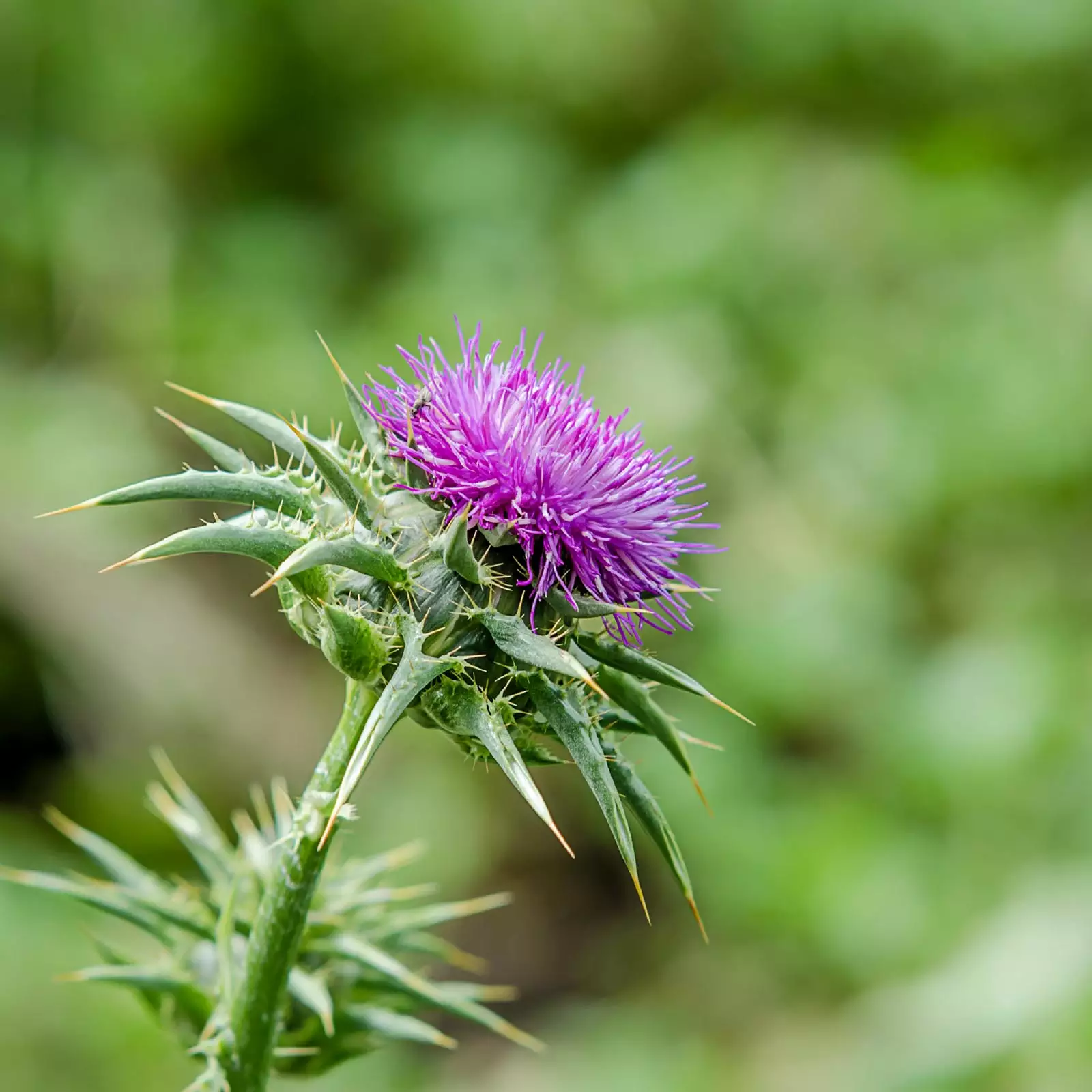
Milk thistle is an impressive annual or biennial plant with spiny leaves, purple flowers and distinctive white markings on its leaves. In the garden, it has an almost regal presence – tall, protective and slightly wild.
It belongs to the Asteraceae family, which also includes calendula, yarrow, dandelion, chamomile and arnica.
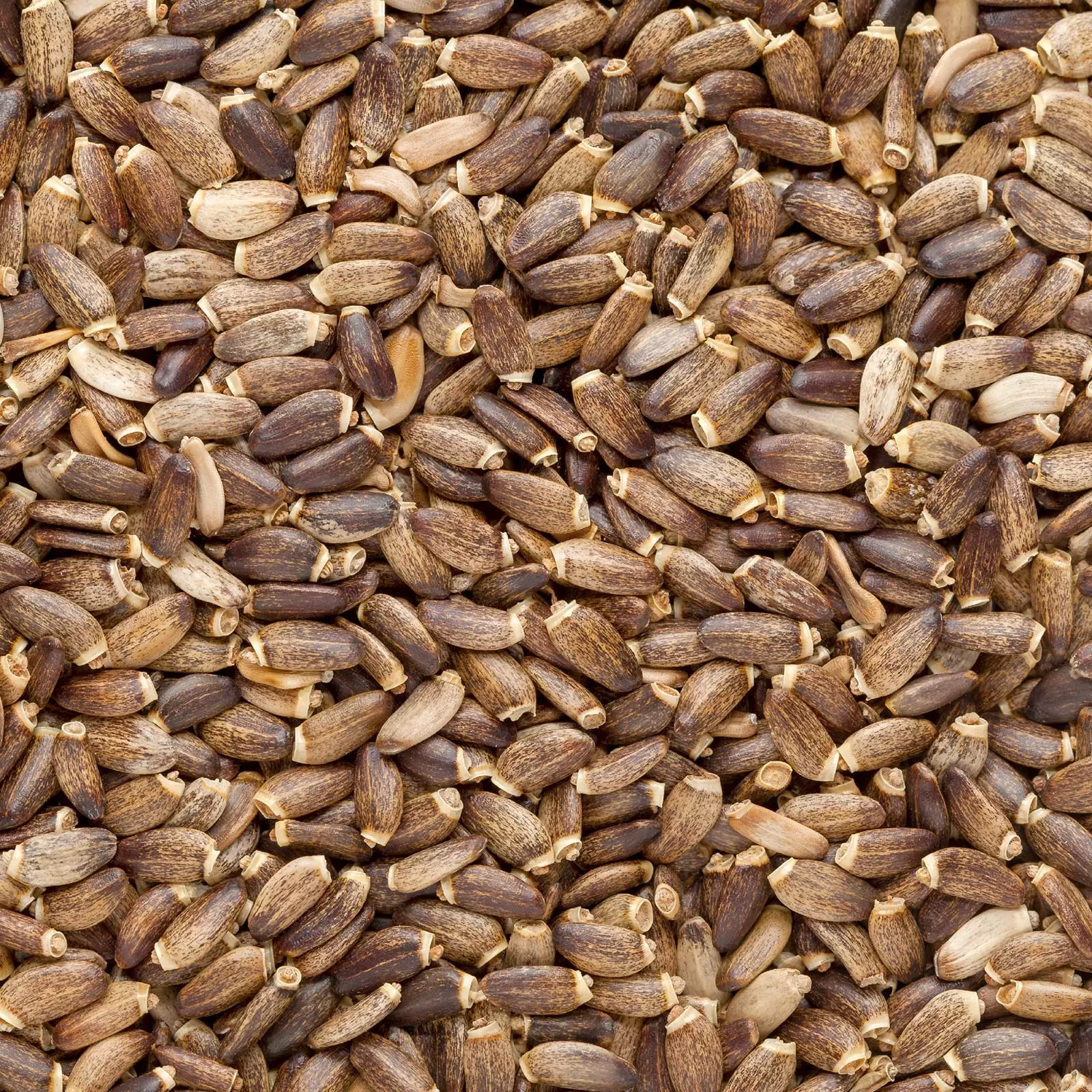
The part of milk thistle most commonly used is the mature seed (semen). The seeds are small, hard and rich in naturally occurring plant constituents, which is why they are usually ground before use.
Milk thistle has a long history of traditional use. In folk herbalism, it was often associated with caring for the body after periods of richer food, spring cleansing traditions and supporting inner balance. Its thorny appearance beautifully reflects its character – a plant of boundaries, protection and perseverance.
One traditional story says that the white markings on milk thistle leaves were formed by drops of the Virgin Mary’s milk, which is why the plant is known as “milk thistle” in English. Because of this symbolism, it was also associated with motherhood, nurturing and vitality in traditional herbal lore.
Traditionally, milk thistle is used as part of the diet during periods when we wish to gently support the body with bitter herbs and seeds. It is most commonly used as freshly ground seeds, which can be added to yoghurt, cottage cheese, porridge, smoothies or other foods.
In Europe, milk thistle is recognised as a plant traditionally associated with supporting liver health, the body’s natural cleansing processes, digestion, physiological blood sugar balance and the body’s general resilience during periods of increased strain.
Milk thistle seeds + Artichoke tincture
- ground seeds as a daily addition to the diet, tincture for internal use
- traditionally, this combination is used during periods when we wish to include more bitter herbs in our daily routine
- milk thistle seeds complement the diet, while artichoke adds the characteristic bitterness of a traditional bitter herb
Milk thistle seeds + Cholesterol balance tincture
- ground seeds as an addition to food, tincture for internal use
- the herbs complement each other beautifully during periods when we wish to give the body more attention and include traditionally valued plants in our diet
- this combination is suitable for a longer, gentle herbal routine
Milk thistle seeds + Complete 40-day detox set
- seeds as a daily part of the diet, the set as a holistic approach
- a popular choice during transitional periods, especially in spring or after periods of richer food
- milk thistle seeds complement the herbal approach beautifully and bring a sense of lightness to the daily routine
How long can I take milk thistle seeds continuously?
Milk thistle seeds are traditionally used for several weeks at a time. A typical period of use may last until one pack has been finished, after which it can be sensible to take a short break.
As the seeds are a food, many people can include them in their diet for longer periods. However, it is always sensible to listen to your body and maintain a varied and balanced diet.
Can milk thistle seeds cause any side effects?
Milk thistle seeds are generally well tolerated. Occasionally, particularly when first introducing them or when consuming larger amounts, mild digestive discomfort may occur, such as bloating, softer stools or changes in digestion. For this reason, it is sensible to start with a smaller amount and gradually increase it as needed.
Are milk thistle seeds bitter?
Milk thistle seeds have a mild, slightly nutty taste with a very subtle bitter note, characteristic of many traditionally valued herbs. Most people find them easy to enjoy when added to yoghurt, cottage cheese, porridge, smoothies or other foods.
If you are not yet familiar with their taste, we recommend starting with a smaller amount and adding them to foods where their flavour blends pleasantly with other ingredients. Freshly ground seeds generally have a more pleasant and fuller flavour than seeds that have been ground for a longer period of time.