

Orpine Tincture 100 ml – Organic
24,00 €
(incl. VAT)
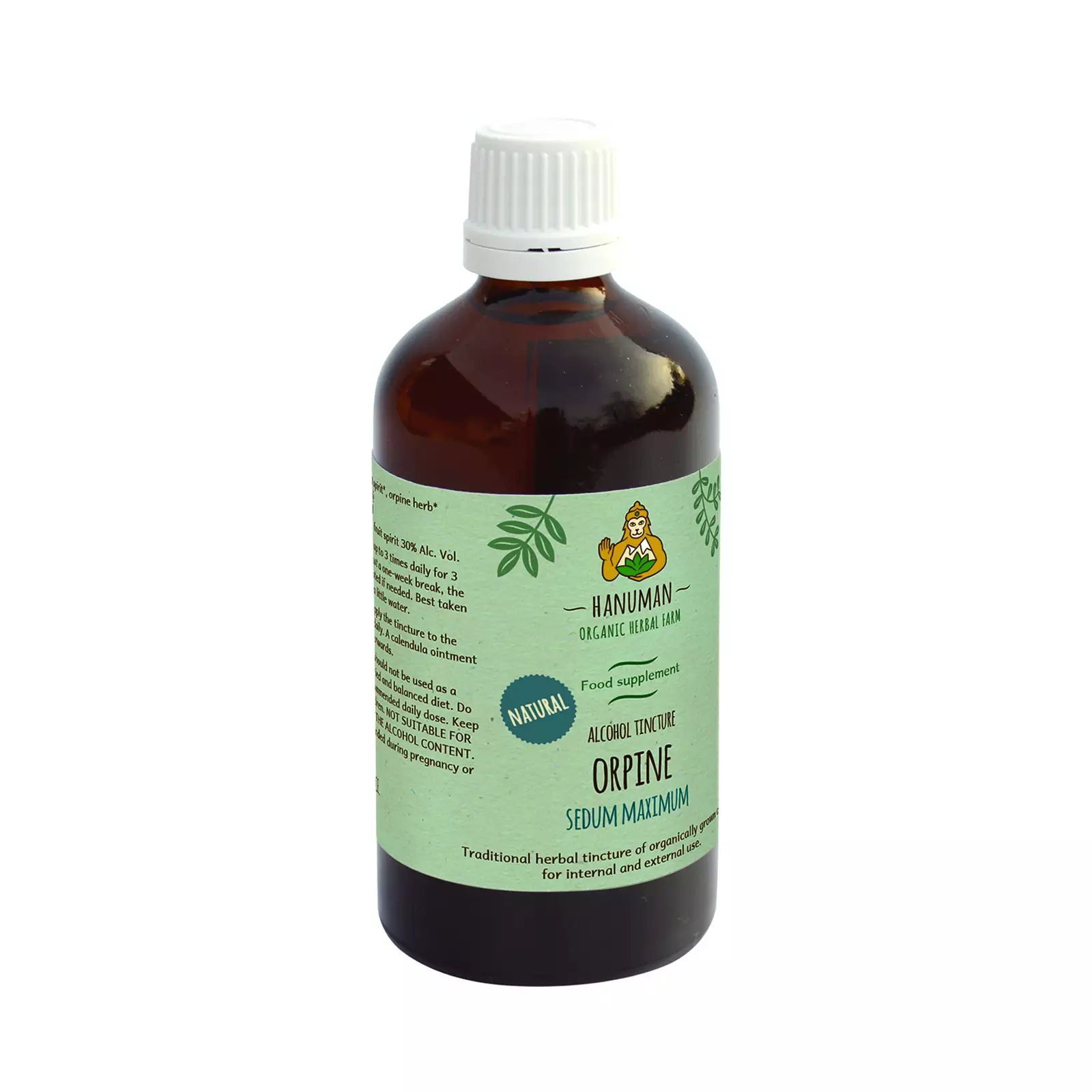
Orpine tincture is a natural food supplement made from fresh orpine herb, combining both wild and cultivated plants and prepared using the traditional cold maceration method. It is traditionally used both internally and externally, particularly to support skin health and natural regeneration.
Ingredients of Orpine tincture:
- Orpine herb (Sedum maximum, herba)
- Organic Slovenian fruit brandy
Description
Usage
About the herb
Combinations
FAQ
Orpine tincture is a liquid herbal preparation made from fresh orpine herb (Sedum maximum), combining both wild and cultivated plants and prepared using the traditional cold maceration method. This gentle process helps preserve a broad spectrum of naturally occurring compounds, along with the characteristic freshness and vitality of the plant.
The alcohol concentration is carefully adjusted to suit the properties of fresh orpine. The lower alcohol content allows for balanced extraction of water-soluble and other naturally occurring compounds, resulting in a gentle, well-rounded herbal extract that retains the plant’s natural character.
Our orpine comes from Slovenia, where it is either organically cultivated or responsibly harvested from the wild. Each plant is carefully harvested by hand, with respect for its natural rhythms and the environment, ensuring the quality of the finished product.
Ingredients of Orpine tincture:
- Orpine herb (Sedum maximum, herba)
- Organic Slovenian fruit brandy, 45% alcohol by volume
Orpine tincture concentration:
- Extraction ratio 1:5, 45% alcohol by volume
Packaging:
- 100 ml
- Dark glass bottle with dropper
Orpine tincture quality:
- 100% natural ingredients
- Certified organic (IKC UM, SI-EKO-002)
- Free from pesticides and artificial colours
Recommended use of Orpine tincture:
- 15–25 drops
- Up to 3 times daily
- You may start with a lower dose and gradually increase it to 20–25 drops
- The recommended duration of use is 3 weeks, followed by a break of at least 1 week
- For longer-term use, the tincture may be taken continuously for up to 2 months, followed by a break
How to take Orpine tincture:
- Add the drops to a glass of water or take them directly from a spoon
- Preferably take on an empty stomach (before meals or at least 1 hour after eating) for better absorption. There is no need to eat immediately afterwards
Tips for using Orpine tincture:
- Orpine is a succulent plant, and its tincture can also be incorporated into an external skincare routine by gently applying it to the skin
- One 100 ml bottle lasts approximately 3–4 weeks
- For external use, gently apply the tincture directly to the skin several times daily as needed. After application, consider adding a layer of ointment, such as Calendula ointment, to provide additional protection and nourishment
Warnings:
- Food supplements should not be used as a substitute for a varied and balanced diet
- Do not exceed the recommended daily dose
- Keep out of reach of children
- Not suitable for children due to its alcohol content
- Due to insufficient safety data, use is not recommended during pregnancy or breastfeeding or for children under 12 years of age
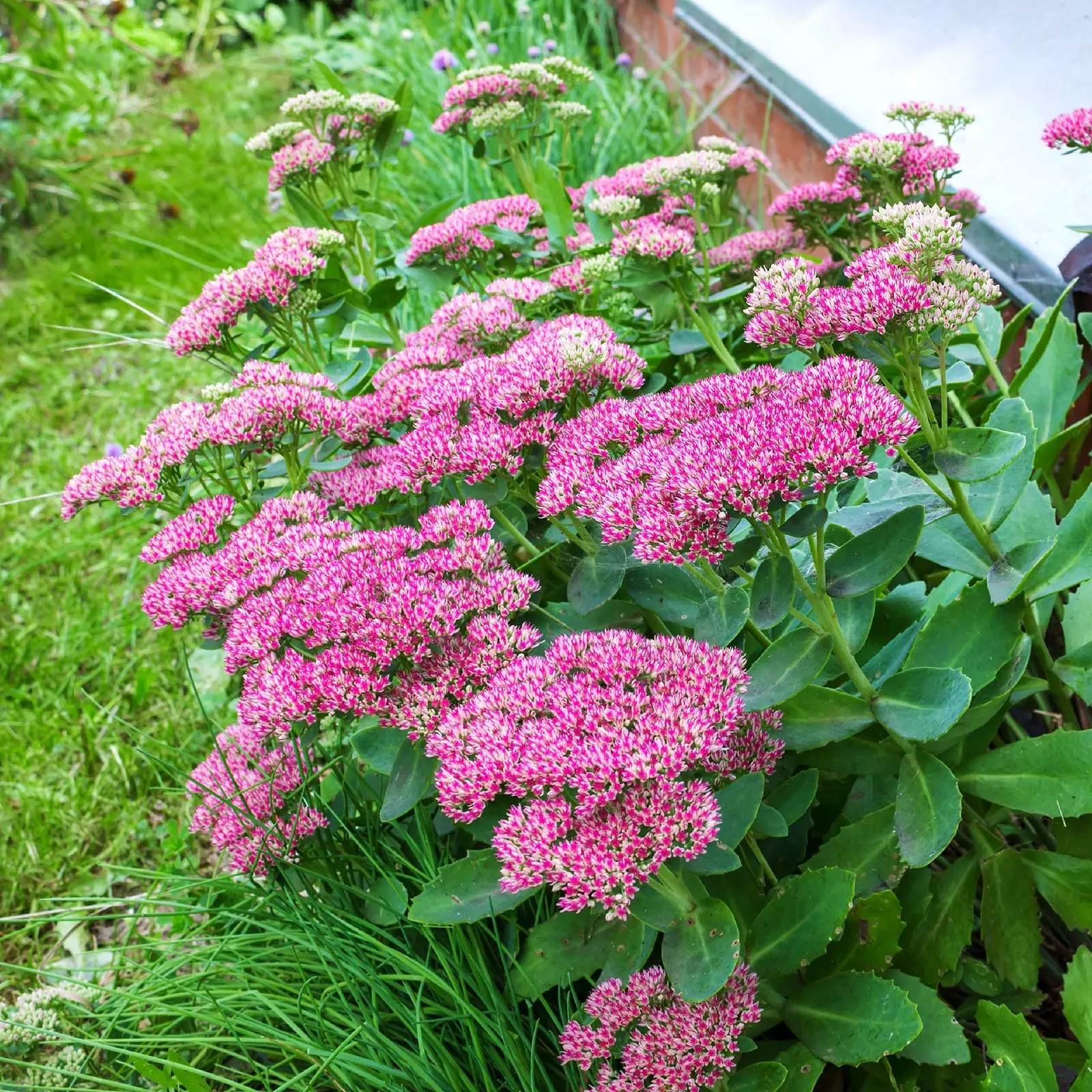
Orpine (Sedum maximum)
Orpine is a fleshy, succulent plant that thrives in sunny conditions and tolerates drought and poor soils. Its thick leaves and sturdy growth reflect its remarkable vitality, making it a plant often associated with resilience, regeneration and quiet perseverance.
It belongs to the stonecrop family (Crassulaceae).
In herbalism, we primarily use the fresh aerial parts (herba). Freshness is particularly important when working with orpine, as the plant naturally contains a high amount of moisture and has a characteristic succulent texture.
An interesting feature of orpine is that it grows both in the wild and in cultivation, with both forms sharing very similar characteristics. Its Latin name, Sedum, is associated with the word “to sit” or “to settle”, reflecting the way the plant establishes itself in dry, rocky places. It is often found in gardens, on old stone walls, in rock gardens and along sunny borders, thriving even where many other plants would struggle to survive.
Orpine has a long history of both internal and external use. In traditional folk herbalism, it has often been included in preparations intended to support skin health, promote a sense of balance and encourage the body’s natural renewal processes.
Today, we particularly value orpine for its distinctive fresh and succulent character. Its use is rooted in tradition, practical herbal knowledge and respect for a plant that combines remarkable resilience with an unexpected gentleness.
Orpine tincture + Yarrow tincture
- Both tinctures for internal use
- Orpine is traditionally used to support skin health and natural regeneration, while yarrow complements it as a herb commonly used during periods of imbalance. Together, they form a holistic herbal approach to inner balance and well-being.
Orpine tincture + Green Walnut tincture
- Both tinctures for internal use
- Orpine brings gentleness and is traditionally associated with natural renewal, while green walnut is valued in herbalism during periods when we seek greater structure and inner balance.
Orpine tincture + Calendula balm
- Tincture for external use, ointment for external use
- Orpine is traditionally used for skin care, while Calendula ointment provides an additional protective layer and nourishment. Together, they make a complementary combination for everyday skincare.
Is orpine suitable for sensitive skin?
Orpine is traditionally regarded as a gentle herb and is often used in the care of sensitive skin. However, we recommend testing it on a small area of skin before applying it more widely.
What is the difference between cultivated and wild orpine?
Cultivated and wild orpine (Sedum maximum) share very similar characteristics, as they belong to the same species or closely related plants. The main difference lies in their growing environment and the conditions in which they develop.
Wild orpine grows naturally, often in poor, sunny soils, where it develops its characteristic resilience. Cultivated orpine, on the other hand, grows in a carefully managed environment with more consistent growing conditions.
In herbal practice, the two can complement each other. Combining wild and cultivated orpine may contribute to a more diverse botanical profile, bringing together the variety of natural growing environments and the consistency of cultivated plants.