

Chaste Tree Berry Tincture 100 ml – Organic
24,00 €
(incl. VAT)
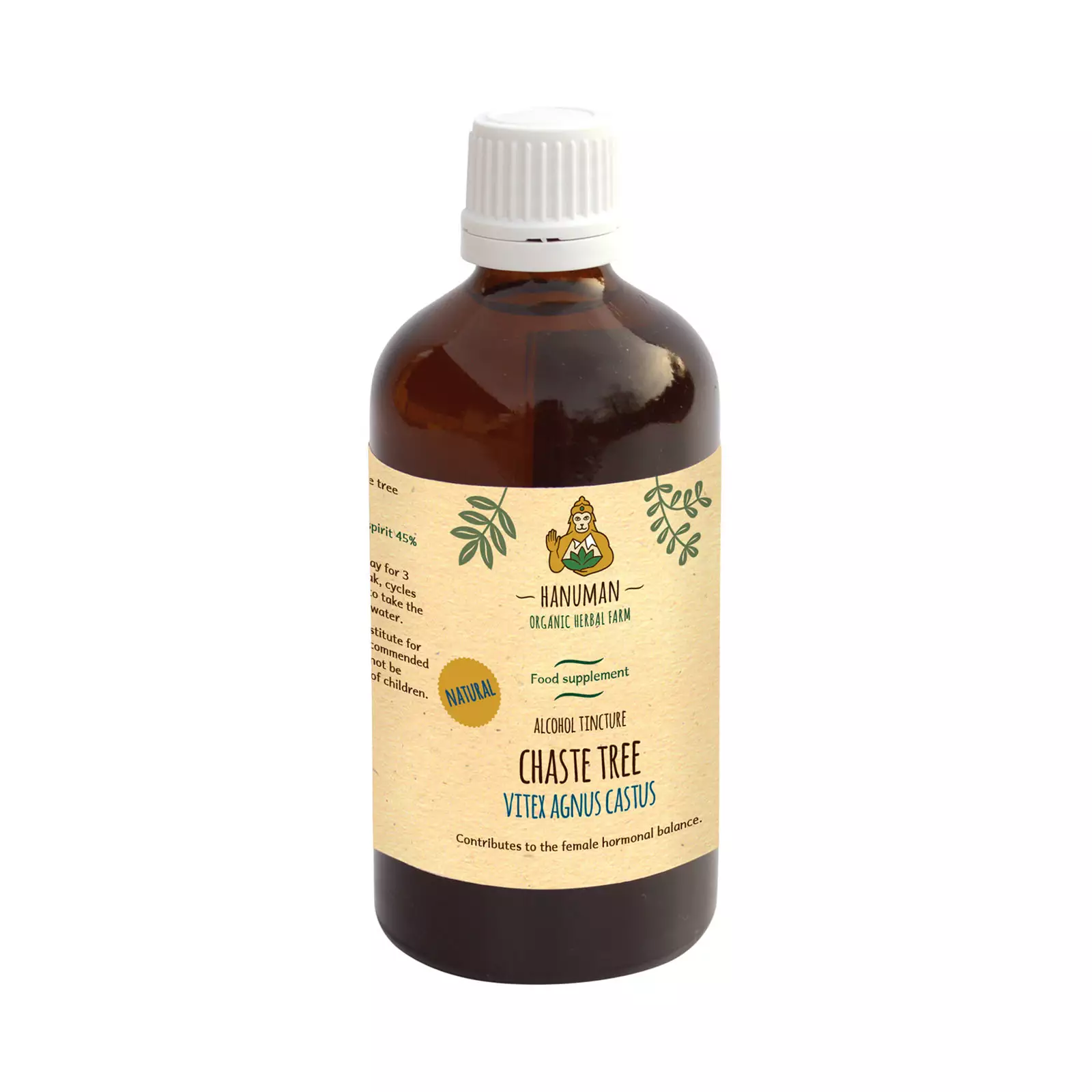
Chasteberry Tincture (Vitex agnus-castus) is an organic food supplement made from chasteberry fruits using the traditional cold maceration method in fruit brandy. It is traditionally used to support women's hormonal balance at different stages of life.
Chasteberry Tincture Ingredients:
- chasteberry fruit (Vitex agnus-castus, fructus), organic
- fruit brandy, Slovenian origin, 40% alcohol by volume
Description
Usage
About the herb
Combinations
FAQ
Chasteberry Tincture is a natural food supplement made from chasteberry fruits (Vitex agnus-castus, fructus) using the traditional cold maceration method. This process helps preserve a broad spectrum of naturally occurring plant compounds.
The alcohol content is carefully adjusted to the characteristics of chasteberry fruits, allowing for the extraction of different groups of compounds, including bitter substances, flavonoids and other naturally occurring constituents. Water helps extract water-soluble compounds, while alcohol enables the extraction of less water-soluble substances. Together, they help capture a broad spectrum of the plant’s natural compounds.
Our raw materials are organically grown in the EU, carefully selected and processed with respect for the plant. Throughout the preparation process, we place great emphasis on quality, traceability and a respectful relationship with nature.
Chasteberry Tincture Ingredients:
- chasteberry fruits (Vitex agnus-castus, fructus), organic, EU origin
- fruit brandy, Slovenian origin, 40% alcohol by volume
Chasteberry Concentration:
- extraction ratio 1:5, 40% alcohol by volume
Packaging:
- 100 ml
- dark glass bottle with dropper
Chasteberry Tincture Quality:
- 100% natural ingredients
- certified organic (IKC UM, SI-EKO-002)
- free from pesticides, artificial colourings and other unnecessary additives
Recommended Use of Chasteberry Tincture:
- 15–20 drops
- 2–3 times daily
- it is recommended to start with a lower dose and gradually increase it to 20 drops
- recommended use for 3 weeks, followed by a break of at least 1 week
- during periods of greater need, the tincture may be used continuously for up to 2 months, followed by a break
How to Take Chasteberry Tincture:
- add the drops to a glass of water or take them on a spoon, followed by water
- preferably take on an empty stomach (before a meal or at least 1 hour after eating); there is no need to eat immediately afterwards
Tips for Using Chasteberry Tincture:
- chasteberry is traditionally used over longer periods, so regular and patient use is recommended
- one bottle (100 ml) lasts approximately 3–4 weeks with regular use
- one or two bottles are usually sufficient for a complete course, depending on the duration of use
- the tincture can be incorporated into a broader herbal approach at different stages of life
Precautions:
- food supplements should not be used as a substitute for a varied and balanced diet
- do not exceed the recommended daily dose
- keep out of reach of children
- not suitable for children due to its alcohol content
- use is not recommended during pregnancy or breastfeeding
- consult a healthcare professional before use if you are taking hormonal medication or medicines that affect the dopamine system
- if you have a hormone-sensitive condition or a pituitary disorder, consult a healthcare professional before use
- if you experience adverse reactions or notice unusual changes while taking the tincture, discontinue use and seek professional advice
Chasteberry (Vitex agnus-castus)
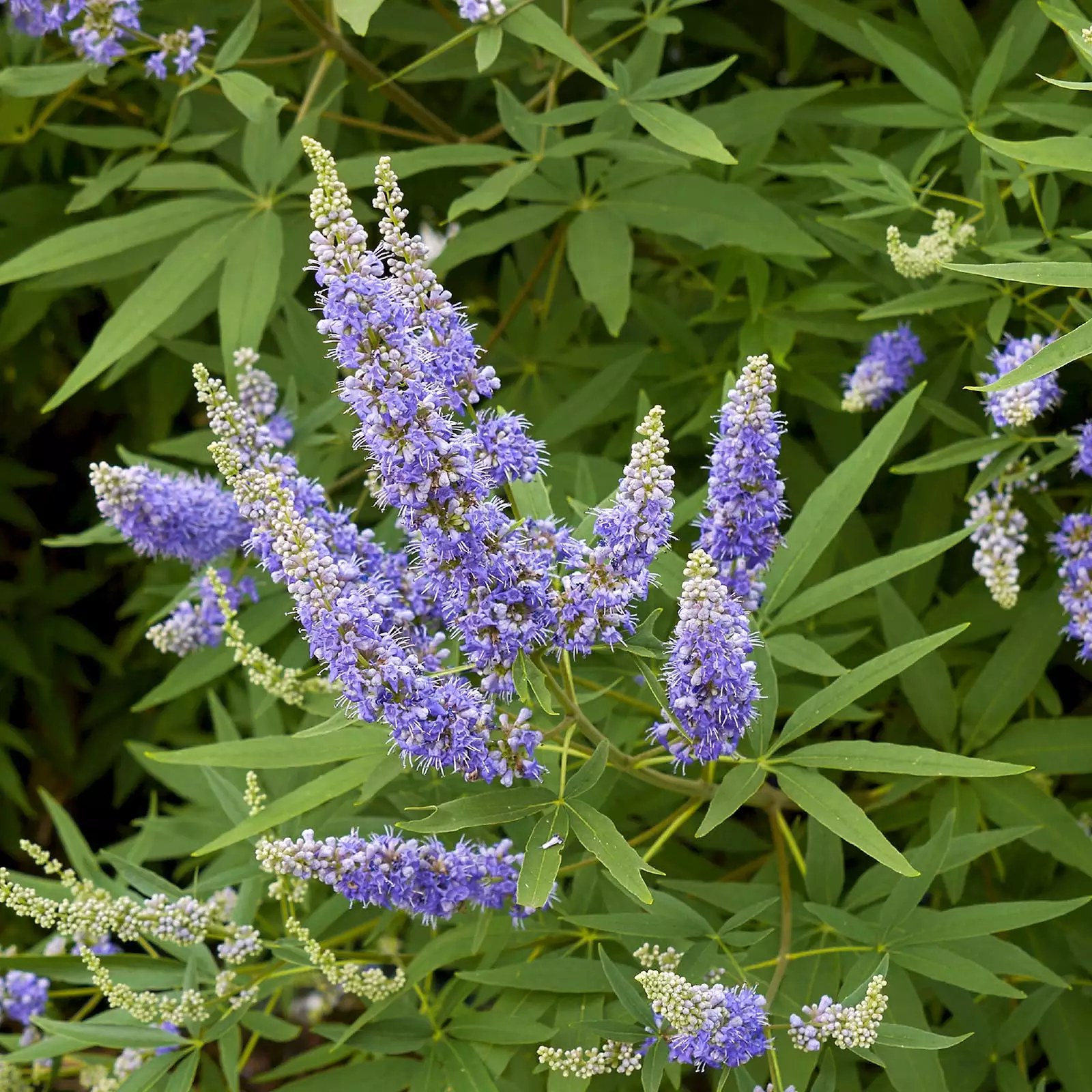
Chasteberry is an aromatic deciduous shrub or small tree with palmately divided leaves and delicate violet-blue flowers. Native to the Mediterranean region and Western Asia, it is now also widely grown as an ornamental and useful plant. In English, it is also known as chaste tree or monk’s pepper, names that reflect its long history in European herbal tradition.
It belongs to the mint family (Lamiaceae). Although its appearance may not immediately suggest a member of this family, modern botanical classification places it among the Lamiaceae.
In herbalism, the fruits are the most commonly used part of the plant. These small, mature fruits contain the seeds, which is why the botanical term fructus is used when describing our tincture. The European herbal monograph on Vitex agnus-castus also focuses specifically on the fruit.
One of the fascinating aspects of chasteberry is its symbolic significance throughout history. The name “chaste tree” is associated with ancient traditions of chastity and restraint. Its fruits were also used as a mild spice in certain historical periods, giving rise to the name “monk’s pepper”.
In traditional herbalism, chasteberry is particularly well known as a herb for women, especially during the days leading up to menstruation and at different stages of hormonal transition. The European Medicines Agency recognises the traditional use of chasteberry fruit for the relief of minor symptoms in the days before menstruation. Its use has been firmly established in European herbal tradition for centuries.
Chasteberry Tincture + Shepherd’s Purse Tincture
- both tinctures taken orally
- chasteberry is traditionally used during periods of hormonal changes, while shepherd’s purse complements the combination by supporting women’s well-being throughout the menstrual cycle
Chasteberry Tincture + Red Clover Tincture
- both tinctures taken orally
- chasteberry is traditionally used to support women’s hormonal balance, while red clover is traditionally used during hormonal transitions, particularly in later stages of life
Chasteberry Tincture + Hormone Balance Tincture
- both tinctures taken orally
- chasteberry is the central herb in this combination, complemented by hawthorn, shepherd’s purse, red clover and passionflower for a holistic approach to women’s hormonal balance
Does Chasteberry Lower Testosterone?
Research on the effects of chasteberry on testosterone is inconclusive. Some animal studies suggest that it may influence the hormonal system, but this effect has not been clearly established in humans.
Chasteberry is not traditionally used to directly lower testosterone. Instead, it is primarily known in herbal practice as a plant associated with supporting hormonal balance.
Can Chasteberry Be Grown in Central Slovenia?
Yes, chasteberry (Vitex agnus-castus) can also be grown in central Slovenia, provided it has suitable growing conditions. It thrives in sunny, warm and sheltered locations with well-drained soil. During colder winters, additional protection is recommended. Planting it against a south-facing wall can provide extra warmth and shelter.
How Long Should You Take Chasteberry Before Noticing Changes?
Chasteberry is traditionally used regularly over an extended period. It is advisable to allow at least several weeks of consistent use, although noticeable changes may take up to three months.
In herbal practice, patience, consistency and paying attention to your body’s response are important. If symptoms persist or worsen, consult a healthcare professional.